New exhibit explores Whidbey’s revolutionary roots
Published 1:30 am Thursday, July 2, 2026
Before pioneer homes dotted Whidbey Island, some of the island’s earliest settler families were already linked to one of the defining events in American history: the Revolutionary War.
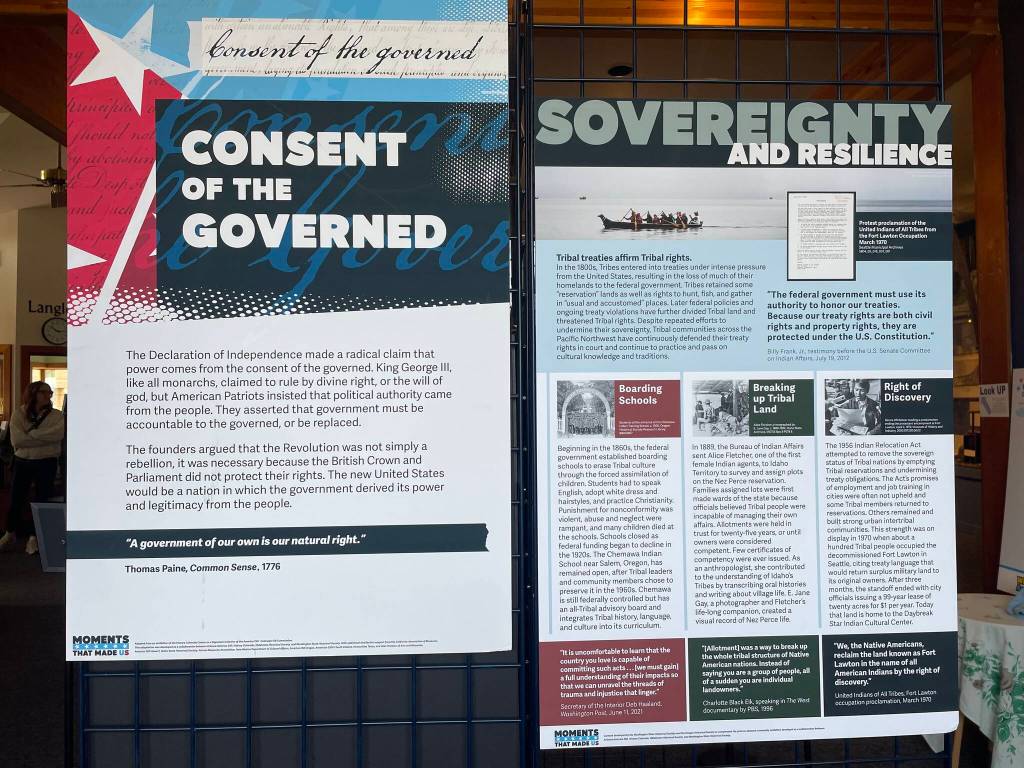
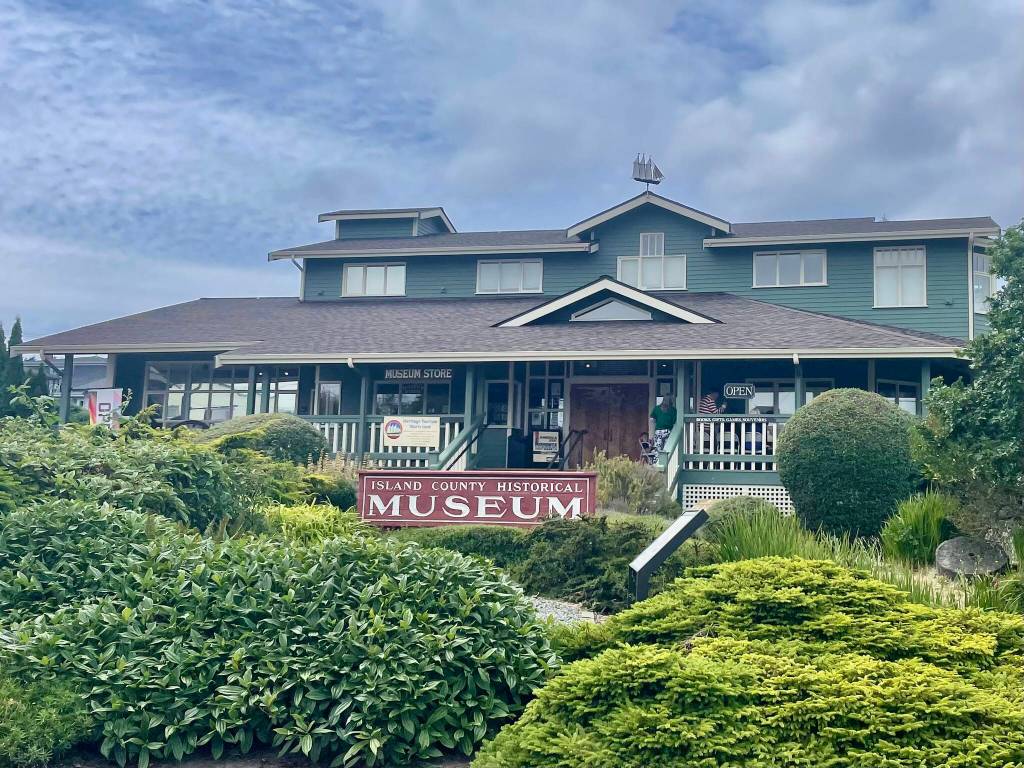
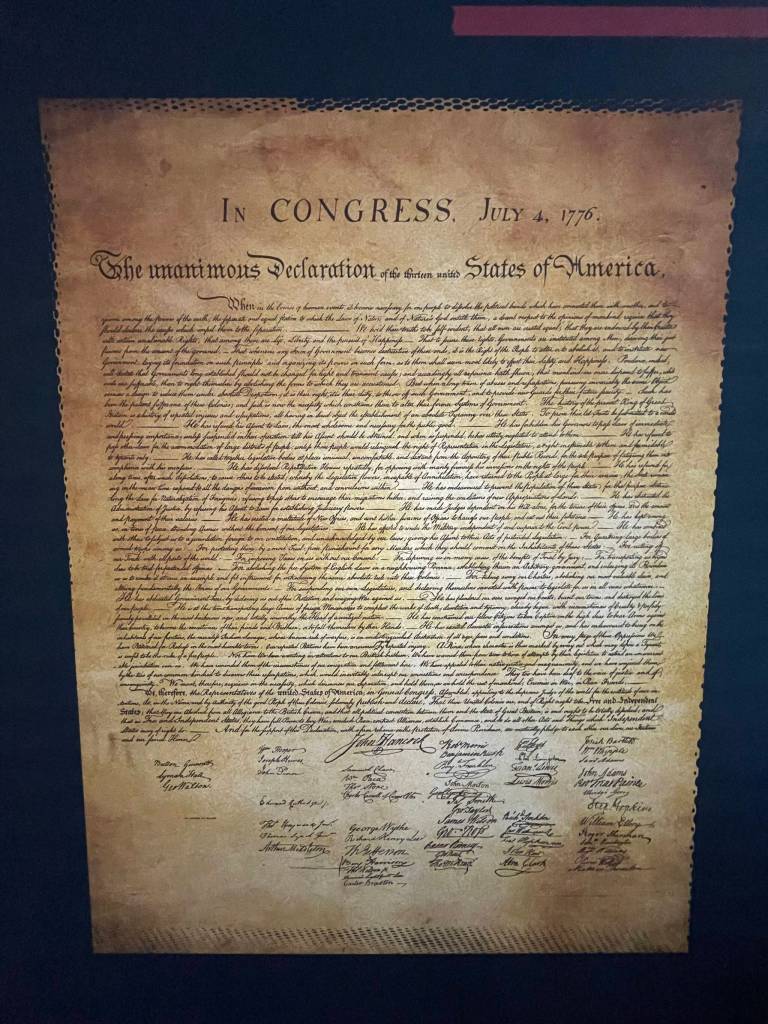
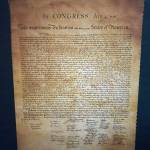
The Island County Historical Museum’s America 250: Moments That Made Us exhibit, which opens on July 5, highlights key moments from the nation’s past 250 years while exploring how the American Revolution is connected to some of Island County’s earliest pioneer families. As part of the nationwide America 250 commemoration, the exhibit also examines what was unfolding in the Puget Sound region in 1776 and how Independence Day traditions eventually reached the Pacific Northwest.
Executive Director Dalva Church said the exhibit is designed to encourage visitors to reflect on the nation’s past while considering what lies ahead.
“People will enjoy finding out how creative and over-the-top those early celebrations could be. Americans like a good party,” she wrote in an email to the News-Times.
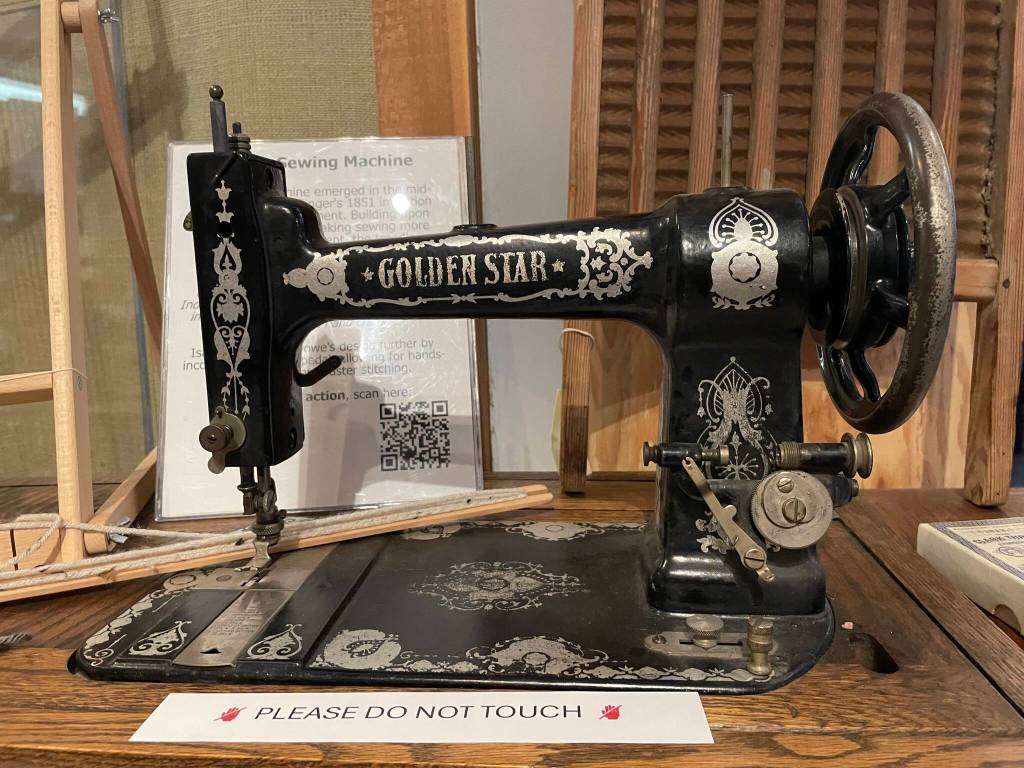
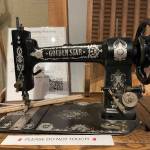
Visitors can explore artifacts spanning two and a half centuries of American history, including items preserved from the nation’s bicentennial celebration of 1976. The exhibit also invites guests to contribute to a community “Wish Wall,” where they can share their hopes for America’s future.
Alongside major events in American history, the exhibit highlights local connections to the Revolutionary War by tracing the family histories of some of Whidbey’s earliest settlers. Among the local connections are Capt. Hezekiah Lovejoy, Col. Hugh Crockett and George Ebey II, whose family histories trace back to service in the Revolutionary War. Church said they served alongside Gen. George Washington.
The exhibit also explores how Fourth of July celebrations have evolved over time.
“I think people know less about their history, and so, it’s important that people understand where we came from to help us understand where we’re going,” she said.
The museum also places the Revolutionary era in local context by examining what was happening in the region in 1776, including the Native village that once stood on the museum site and the arrival of early trading ships that encountered Indigenous communities along the coast.
For Church, the exhibit arrives during a period when reflecting on the country’s shared past can unite communities.
“We’re definitely at an interesting and divisive time in our nation,” she said. “As a community, we can come together over this celebration.”
Beyond the featured exhibit, the museum offers two floors of permanent exhibits covering thousands of years of Island County history. Visitors can explore the history of the Coast Salish peoples, featuring a 28-foot Nootka-style cedar dugout canoe and opportunities to hear the Lushootseed language. Other exhibits include Columbian mammoth remains; an Ice Age fir tree flattened by the “Vashon Glacier” about 120,000 years ago; and the island’s first car, a 1902 Holsman Autobuggy.
Families can also participate in a Museum Bingo scavenger hunt. The museum is fully accessible, with wheelchair and walker access. Throughout the year, it also hosts “Porch Stories” from 1-2 p.m. on Wednesdays, monthly speaker programs and seasonal family events.
The America 250 exhibit is open during regular museum hours, seven days a week from 10 a.m. to 4 p.m., with Sunday hours from 11 a.m. to 4 p.m. The museum is located at 908 NW Alexander St. in Coupeville. Admission is free, though donations are accepted. More information is available at www.islandhistory.org or by calling (360) 678-3310. Visitors can also download the Island County Historical Museum tour app to enhance their experience.