Sound Off: There are reasons big businesses may not come to city
Published 1:30 am Friday, September 12, 2025
By BRYAN STUCKY
It seems like every few weeks, there’s a new round of “We need a (blank) in Oak Harbor.” Costco! Whole Foods! Fred Meyer! But the truth is, many businesses are unlikely to come to Oak Harbor. Why?
Before taking over the movie theater in April, I spent the previous two years looking for something new to bring to our town. In that time, I looked into the following businesses: Olive Garden, Dave & Buster’s, Chick-fil-A, Red Wing Shoes, TJ Maxx, The Milkshake Factory, Sharkey’s Cuts for Kids, Buffalo Wild Wings, Pizza Ranch, Brass Tap Sports Bar, Hydration IV, Hot Shots Sports Bar & Grill, Whole Foods, Altitude Trampoline Park, Cinnabon, Auntie Anne’s Pretzels and Jamba Juice.
For most of these, I contacted their corporate offices. Many didn’t offer franchising at all, which ended the conversation quickly. Others would allow a franchise — but not in Oak Harbor. And in some cases, like Chick-fil-A, I couldn’t even choose the location myself (not to mention the long waitlist).
I came very close to opening a Cinnabon/Auntie Anne’s/Jamba Juice combo. Vice presidents came out, plans were drawn up, contractors gave estimates — I was ready to go. But in the end, it fell through due to one critical issue: location.
So, what determines whether a corporate business or franchise will come to a place like Oak Harbor? There are a few key non-negotiables most companies consider:
1. Median income
This one’s fairly self-explanatory. It wasn’t a major issue for Oak Harbor. It rarely came up in discussions, as our median income fit the minimum requirements of most businesses.
2. Population and traffic
This was the biggest sticking point.
Many franchises require a minimum population — usually 35,000 to 50,000 people within a five-mile radius of the proposed location. Oak Harbor falls short here.
Our population is unique. Many people on the South End go to Everett for major shopping. You might draw some people from Anacortes, but in most cases — say, with a TJ Maxx — why would they come here when they can go to Burlington, where there are more stores and they can compare? Many Whidbey Islanders are already willing to make those Costco trips off island. So realistically, a business here needs to survive on the population of Oak Harbor, Coupeville and maybe a few from Anacortes.
Also, we’re not located near I-5, which significantly reduces potential customer traffic. Some companies I spoke with ended the conversation immediately when I told them we didn’t have a 50k+ population in a five-mile radius.
Traffic matters too. It’s not just about people driving through Oak Harbor — it’s about people driving right past the proposed storefront. For example, Cinnabon required that I place the store in a major shopping center, not just on an open lot on downtown Pioneer. That essentially limited me to the Safeway and Haggen plazas. Even being located on Highway 20 wasn’t enough for some of them.
3. Location requirements
Let’s go back to the Jamba/Auntie Anne’s/Cinnabon idea I nearly pulled off. First, I wanted to open it in the old Starbucks next to Safeway. Perfect, right? It already had the utilities I needed and was in one of the highest-traffic areas in town. But the company required 2,000 square feet. That location fell a few hundred feet short, and there were no exceptions.
Then I looked at the old Radio Shack next to Haggen — but that was a no-go too. No new restaurants were allowed within 300 feet of Haggen’s doors. After months of setbacks and location denials, I eventually gave up on launching something new and took over an existing business — the movie theater.
So, is all hope lost for new businesses in Oak Harbor?
Not exactly — but it is difficult.
When Sonic came to town, Facebook was buzzing with comments like, “We don’t need a Sonic — it should have been a mom-and-pop shop!” But realistically, very few people have the hundreds of thousands of dollars to buy the land, millions to build and equip a restaurant and the resources to operate a business with just a 3–5% profit margin.
That’s why most small “mom-and-pop” shops are stuck leasing existing spaces — often in slightly off-the-beaten-path locations. Leasing costs less, but the lack of foot traffic can make it hard to bring in customers.
What about chains? Some can succeed here.
Fast food franchises have lower startup costs than full-service restaurants like Buffalo Wild Wings, which require large spaces — spaces that are rare here and rarely located directly on Highway 20.
If we want to attract big-box businesses like Costco or Fred Meyer, we would need a significant increase in population to meet the requirements. And even then, there’s the question of whether the community really wants that, or if people prefer to preserve Oak Harbor’s “small town feel.” I don’t love the idea of more fast food, but I understand that is what comes to towns that are remotely similar to ours.
When considering if a place would come here a good rule of thumb is to Google the existing Washington locations. Are they opening up in medium (under 50k) towns with no major city within 10 miles? If the answer is no they are not likely to open up a location on an island.
I just wanted to share what I’ve learned over the past few years trying to bring new businesses to Oak Harbor. It’s not impossible—but there are real challenges that go far beyond simply “wanting” something new. There are plenty of businesses I would love here! However I understand from the business point of view, the risks may not be worth it.
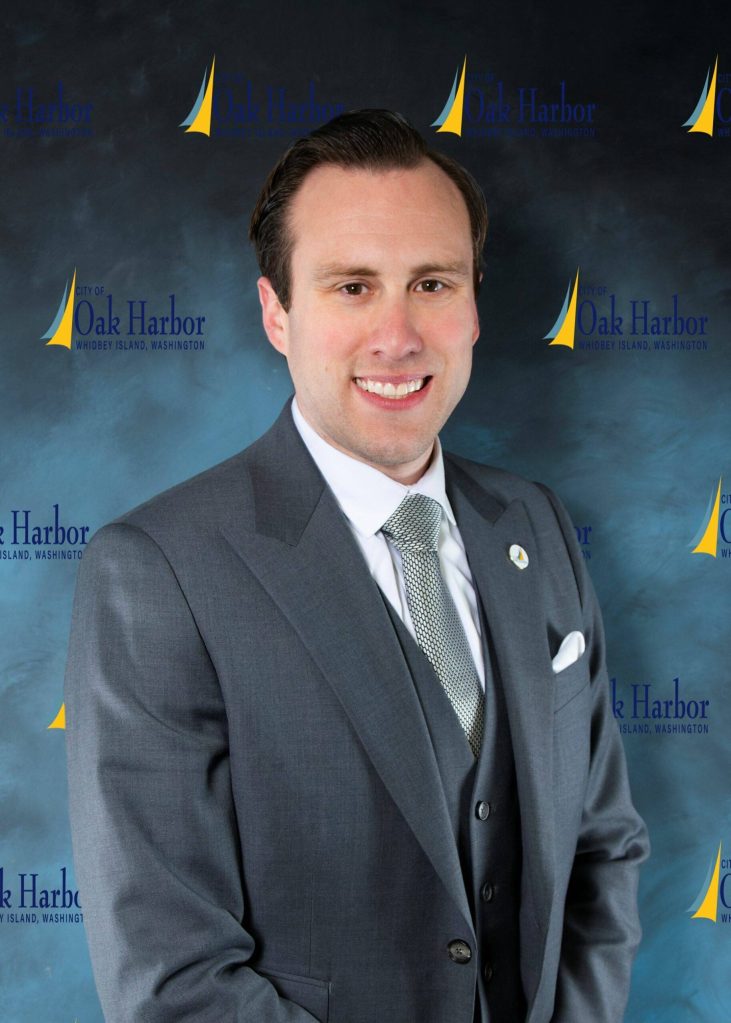
Bryan Stucky is an Oak Harbor City Council member, the owner of Wallin Stucky Funeral Home and the new owner of Oak Harbor Cinema.