Oak Harbor City Council nixes mobile park annexation request
Published 1:30 am Friday, December 5, 2025
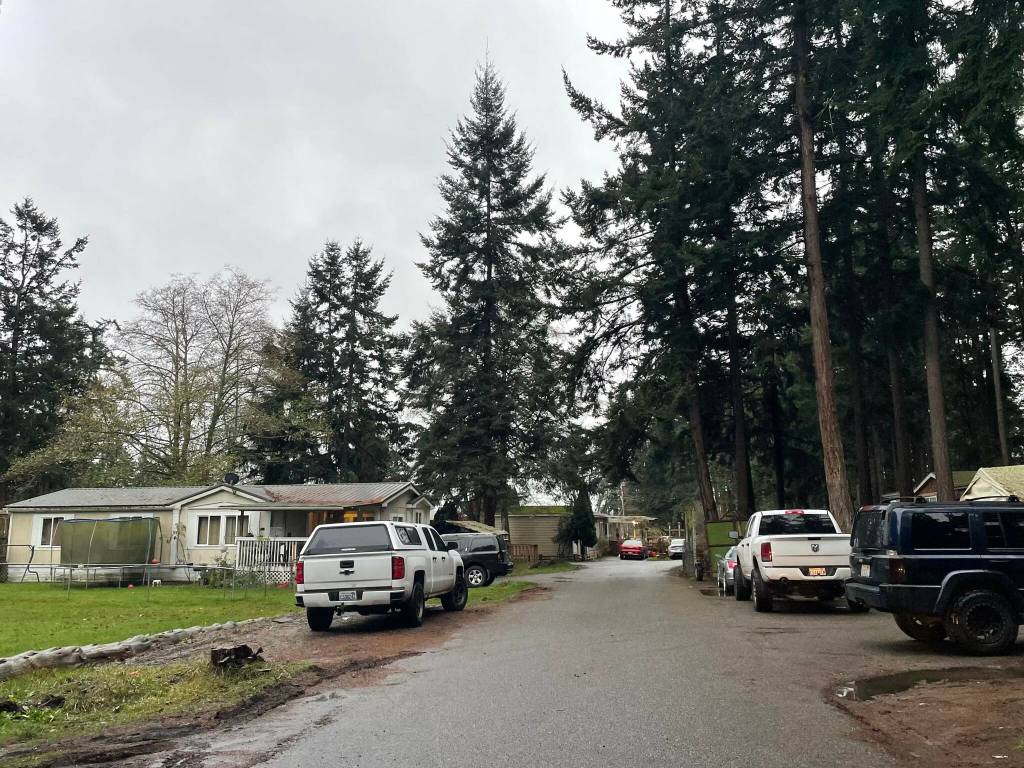
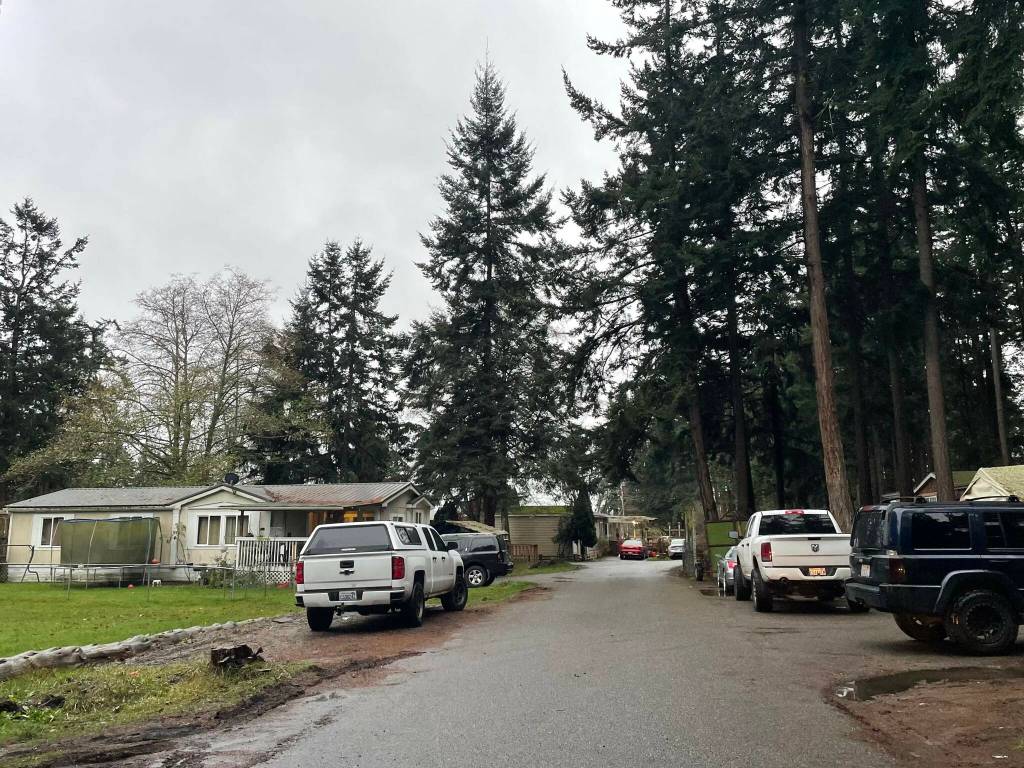


A troubled mobile home park located just north of Oak Harbor boundaries will not be annexed into the city limits, which likely means it will not hook up to city utilities.
In a meeting Tuesday, the Oak Harbor City Council voted 5-1 to take no action on annexing Valley High Mobile Home Park into the city. As a result, Island County Public Health will have to decide how to deal with the park, which has a failed drain field for the septic tank, according to the county.
The only opposition to the no-action decision came from Councilmember Eric Marshall. Councilmember Christopher Wiegenstein was excused from the meeting.
Marshall stated that the concerns brought up during the meeting were outweighed by the fact that the tenants, fellow members of the Whidbey Island community, are suffering at no fault of their own and that the city has the power to help. The park contains 56 mobile homes, many of which house low-income residents.
“My heart goes out to these people who are struggling,” Marshall said. “That was our mantra, find a way to yes. And that’s kinda where I’m at with this project is: Let’s look at all opportunities to help members of our community.”
Others, however, argued that annexation will not solve the problems. Theresa Farage, a Valley High resident, told the News-Times that she really appreciated Marshall’s comments, but she also agreed with the other council members that the responsibility for solving the problems ultimately lies with the owners.
“As of today, the property owner needs to be held 100% responsible for making these corrections,” she said. “They should not charge tenants any additional fees or treat us poorly any longer. I am honestly at the point where I may need to seek outside counsel because I own a piece of property that has become essentially useless to me and my family. This is not a home that I can pass down to my children; it’s a home that will most likely be destroyed in the future.”
The Valley High Park has experienced sewage system failures for years. Tenants, many of whom have lived there long-term, reported health impacts due to water and sewage problems, including rashes and hair loss. The property is located just outside of the boundaries of Oak Harbor, within unincorporated Island County, but is zoned industrial. If annexed, the mobile home park would come into the city as a non-conforming use.
Happy Mangat, who owns the property with her husband, told the News-Times that the issues with the sewage system will be resolved by Dec. 31 in compliance with Island County codes.
The Mangats first applied for annexation into the city of Oak Harbor in 2014, but the application was rejected. They submitted two additional applications in the years since, but withdrew each on their own.
This week was their fourth attempt to apply for annexation. The council was presented with three options: approve the annexation, reject it or take no action. Oak Harbor Principal Planner Cac Kamak suggested not approving the annexation during his presentation to the council as that would require uses and structures to be upgraded, as well as substantial investments from the city, he said. On the flip side, the Mangats will have more short-term benefits by remaining in the county and investing in a long-term plan to transition the property from non-conforming residential to industrial use, he noted.
In addition to Marshall, Councilmembers Bryan Stucky, Jim Woessner, James Marrow, Mayor Pro Tempore Tara Hizon and Mayor Ronnie Wright each expressed concern for the tenants dealing with the deteriorating sewage system.
However, Wright, Hizon and Woessner each stated that annexation did not appear to be a viable solution for either the tenants or the Mangats.
“I don’t know that the property owner totally understands that what their long-range vision is, is not doable” through an annexation, Woessner said. He noted this is for their best interest, not the city’s.
“I mean let’s face it, the city annexes into city property, the city makes more money; we get some property tax revenue,” he said.
Nothing would prevent the Mangats from selling the property once its value increased, Wright said; Marrow echoed the comment. Additionally, Wright said, assuming responsibility for fixing the property would shift the financial burden onto current Oak Harbor residents, and increased utility costs could push current tenants out of affordable housing.
Farage, however, emphasized that not all the residents are low-income.
Stucky expressed disappointment that the Mangats did not attend the meeting in person or via Zoom, instead sending an economic consultant, David Toyer, president of Toyer Strategic Advisors, Inc. He said the lack of direct communication made him unsure of how seriously they wanted the annexation.
In support of taking action, Marshall said residents of the mobile home park frequent businesses in Oak Harbor and use the city’s services, contributing to its economy. He added it is Oak Harbor’s duty to help them.
He said he also found it offensive that the tenants could be dismissed on the basis that they have the option to relocate, a point raised by Councilmember Barbara Armes. Many of the residents own their mobile homes, he noted. With no effort to fix the situation for them, they are left to face consequences due to a property owner’s negligence, he said.
Wright pushed back against Marshall’s claims that the city has ignored the issue. He emphasized that Oak Harbor has attempted to work with the Mangats and tenants since 2014, that the application has not materially changed and the owners have made no visible progress on addressing its failures. More recently, the mayor met with the property owners on Oct. 14 to go over seven options that the owners were presented with in June, according to a News-Times article.
“I’m not unsympathetic to these people that live in this development, but I am not about to put this on the backs of my citizens that are paying their fair share,” Wright stated emphatically. “My staff has spent hundreds of hours with these individuals trying to work with them and bring this to a resolution. We are not the hurdle for these landowners. They’re their own worst enemy in this situation.”
Ultimately, the decision to take no action is intended to allow the Mangats more time to work with the county, explained Kamak, so they can pursue solutions for building improvements and better understand their alternatives. Council members who voted to take no action agreed that annexation at this point would cause more harm than good until they can transition to long-term industrial use.
Farage said she understood the council member’s decision. The responsibility lies with the Mangats, she agreed. Each year, they have failed to respond or take the necessary actions to make corrections to fix the property, she noted.
“Just because the Mangats are absentee landlords does not mean we neglect our properties,” Farage said. “This is not your typical mobile home park, but it is one that has been falling apart for many years. We have tenants who have lived here for up to 50 years.”
Property owners David and Happy Mangat were unavailable to respond to the News-Times’ questions regarding their reaction to the council members’ decision.
At a commissioner meeting, Island County Commissioner Jill Johnson, who’s been working on the issue for many months, said the owners wrongly believe that annexing into the city would allow the property to be rezoned from industrial to residential.