County to discuss polluted South Whidbey watersheds
Published 1:30 am Tuesday, August 4, 2026

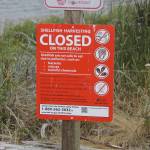
Island County officials are inviting residents to two public meetings this month as they continue efforts to address chronic water pollution in the South Holmes Harbor and Maxwelton watersheds.
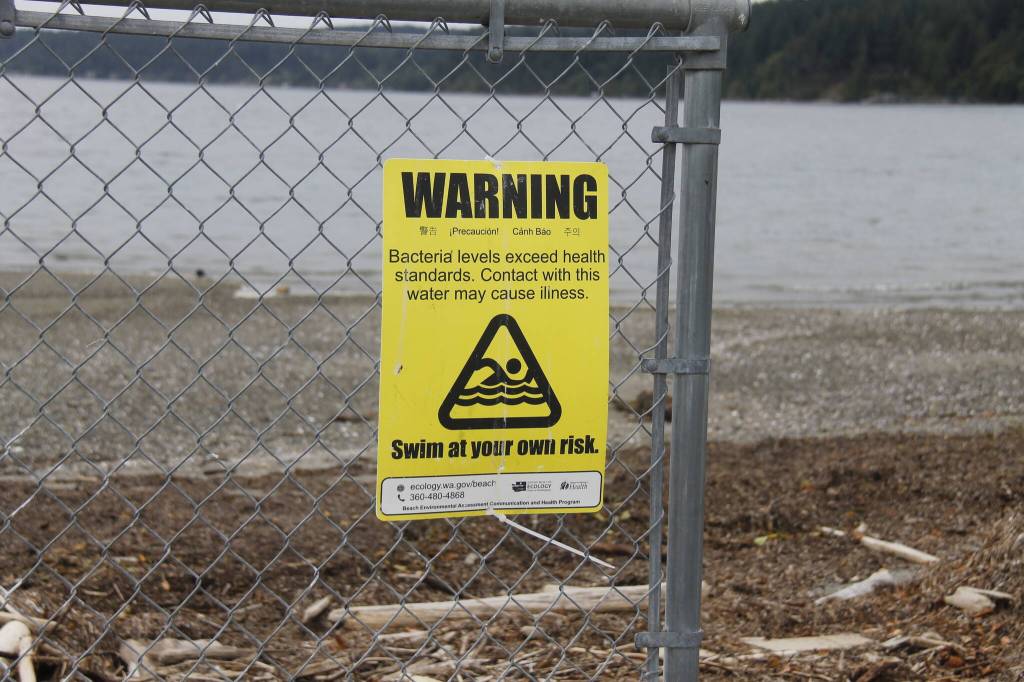
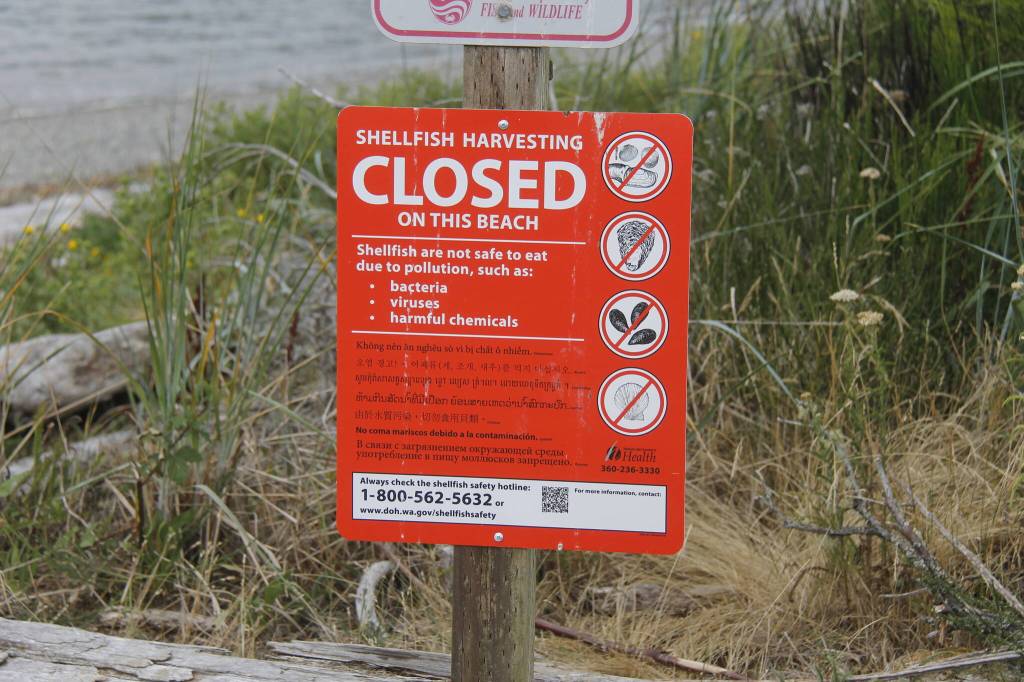
The watersheds have struggled with poor water quality for years. Holmes Harbor is under a permanent swimming advisory and closed to butter and varnish clam harvesting because of high bacteria levels, while Maxwelton Creek, a salmon stream, has been listed for poor water quality since 2021.
The Island County Pollution Identification and Correction Program will host two separate town hall meetings to discuss the current conditions of two watersheds. The South Holmes Harbor Watershed meeting is set for Aug. 6, while the Maxwelton Watershed meeting is scheduled for Aug. 12. Both meetings will be held from 5-7 p.m. at the Bayview Community Hall.
Josie Dodd, the Pollution Identification and Correction coordinator for the Island County Division of Natural Resources, explained these meetings will delve into the work being done by the county to improve the water quality in these watersheds. They will also share how the public can support these efforts and provide an opportunity for the community to ask questions.
South Whidbey in particular has been affected by declining surface water quality. A 2025 report by the Island County Surface Water Quality Monitoring Program found that all eight water bodies sampled in South Whidbey, including Freeland Park and Maxwelton Creek, failed to meet both of the state’s standards for water quality.
Jen Schmitz, Island County Division of Natural Resources manager, said much of the pollution is caused by the prevalence of out-of-compliance septic systems on the island.
Island County Public Health estimates that approximately 72% of county residents use private septic systems rather than public sewer systems. Septic systems require ongoing maintenance in order to prevent the leakage of E. coli and other pollutants into the environment.
By county law, septic systems must be inspected every one to three years, with the exact timeframe varying depending on the type of system. However, Schmitz said many property owners are unaware of this requirement, meaning their septic systems can break down and leak waste without their knowledge.
“If you’re living in a home and the toilet’s flushing properly, you just kind of assume everything’s working well,” she said.
Dodd said the Pollution Identification and Correction Program is largely focused on providing educational outreach within the Island County community to prevent situations like these from occurring.
She explained she works closely with the county’s water quality team to test water samples from across Island County for E. coli. From there, they can locate the source of the pollutants and focus their outreach efforts on those areas.
Dodd emphasized that the upcoming public meetings will further the program’s goal of educating the public about water quality issues affecting their local watersheds.
Schmitz stressed the importance of these meetings in gently reminding the community to maintain their septic systems, noting that such issues aren’t always “top of mind when there’s so many other things in the world going on.”
Dodd added that she believes Whidbey residents will take the steps “to do the right thing” if they are properly educated about the problem.
“We just have a really great community who all want to help each other and love the environment we live in,” she said.
Information on how to schedule septic system inspections and repairs can be found on the Island County website. Additional information about financial assistance options such as the Inspection Incentive Program, which provides coupons that offset the cost of required inspections, and the Craft3 program, which offers loans for septic system repair or replacements, can also be found on the website.