Whidbey residents photograph ‘mystery orcas’
Published 1:30 am Tuesday, March 31, 2026
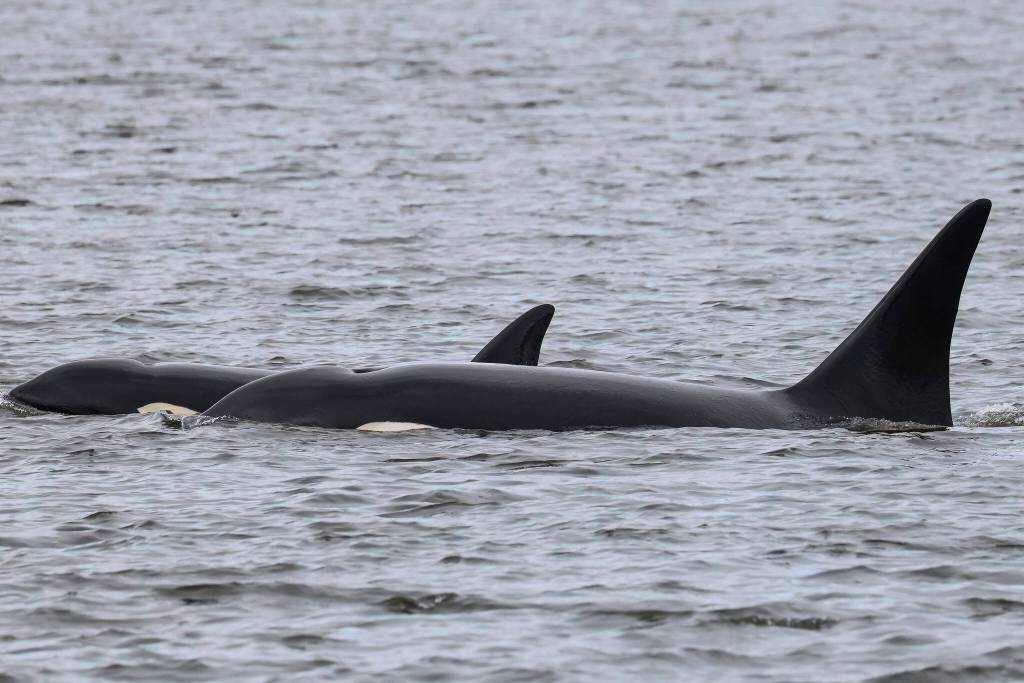
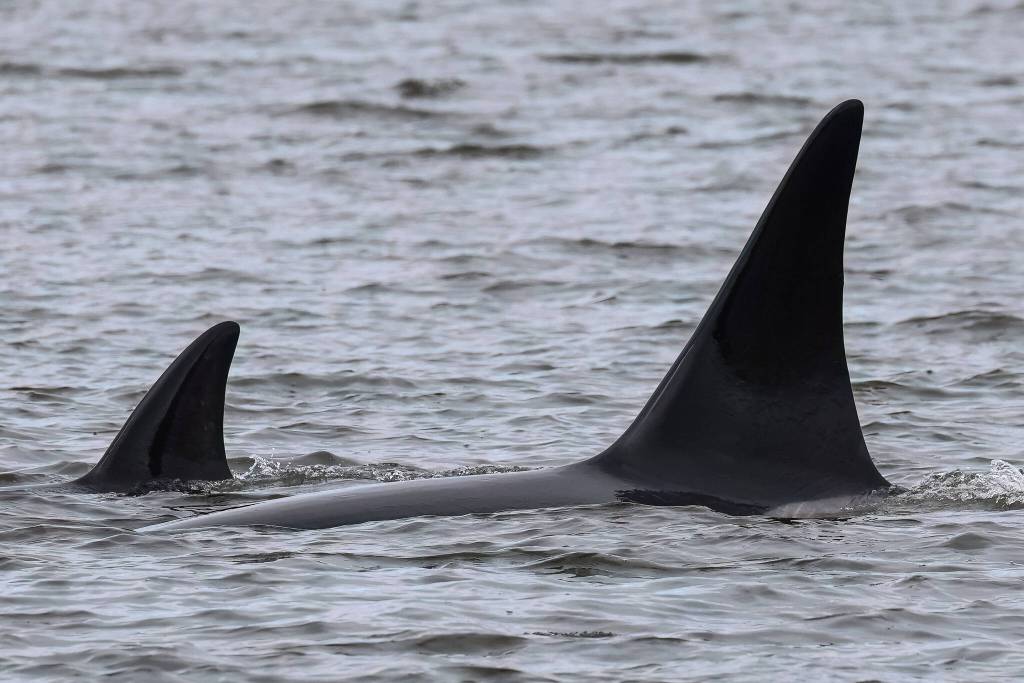
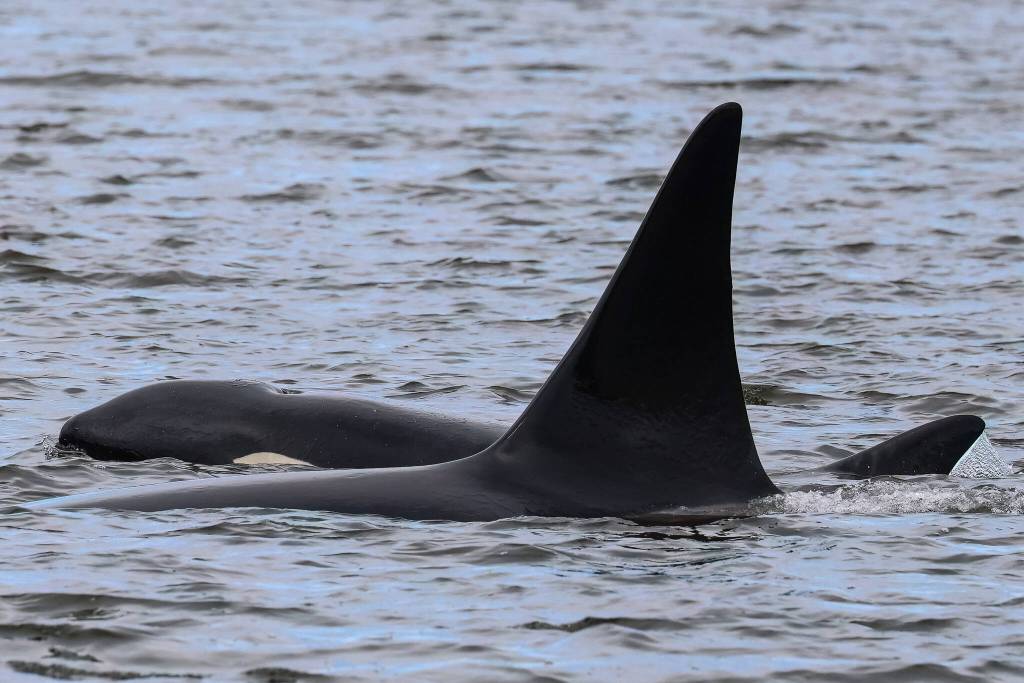
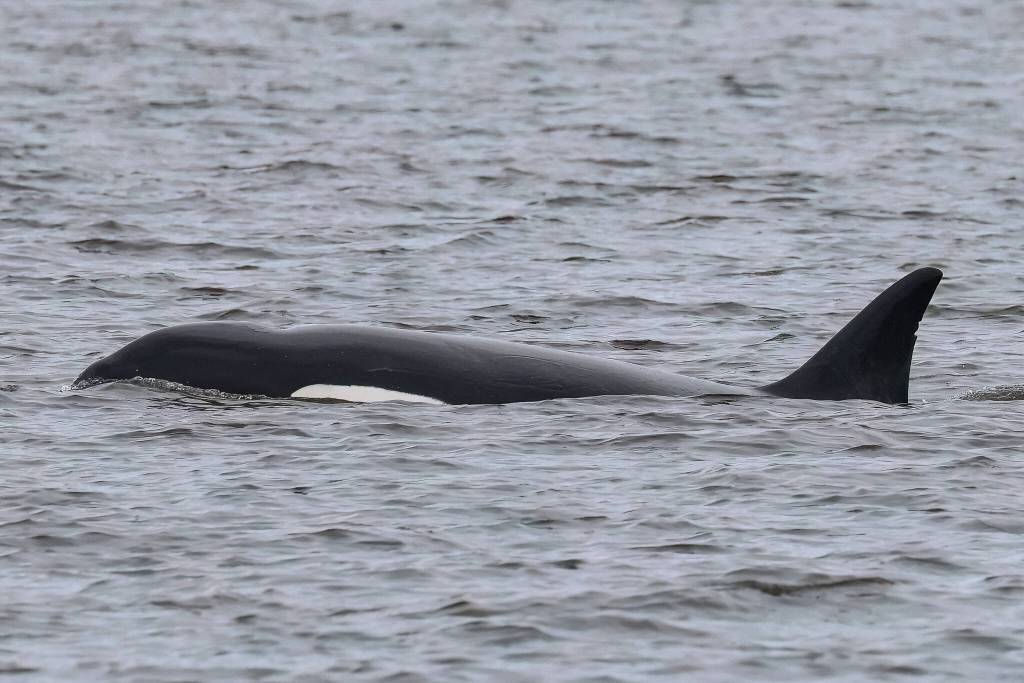
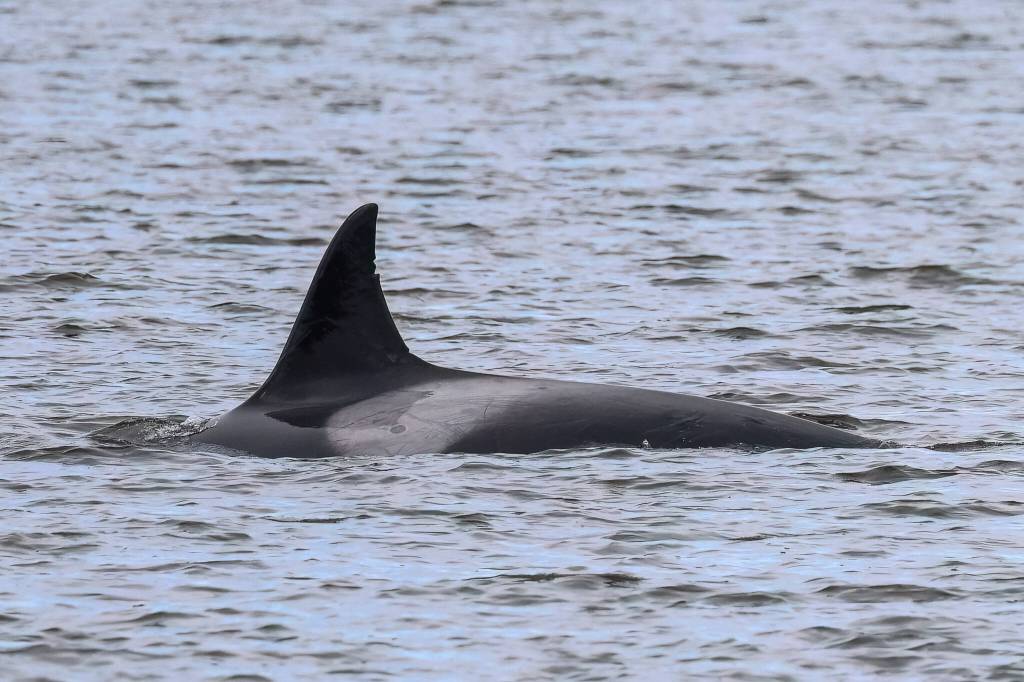
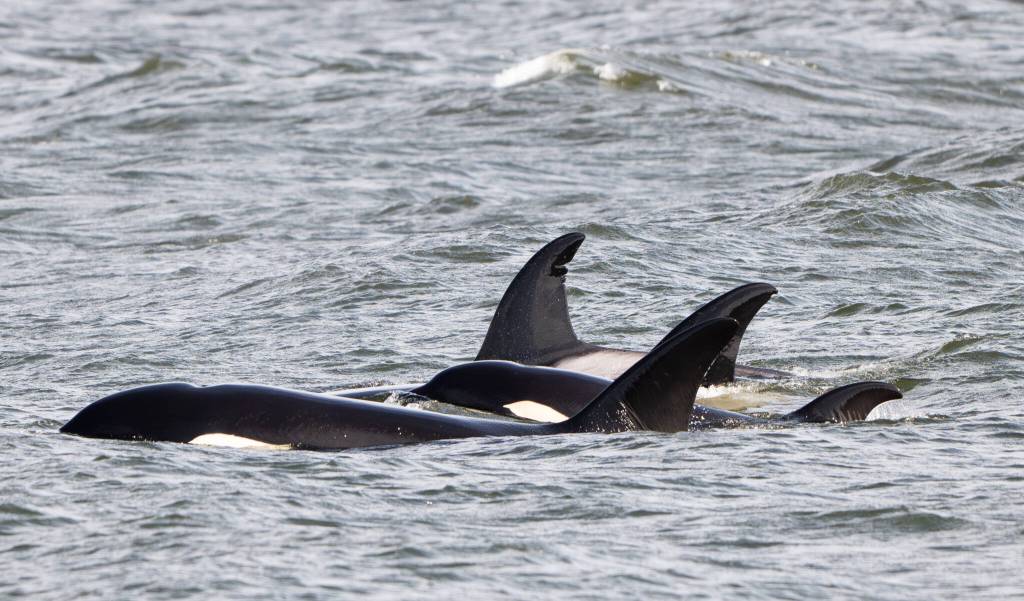
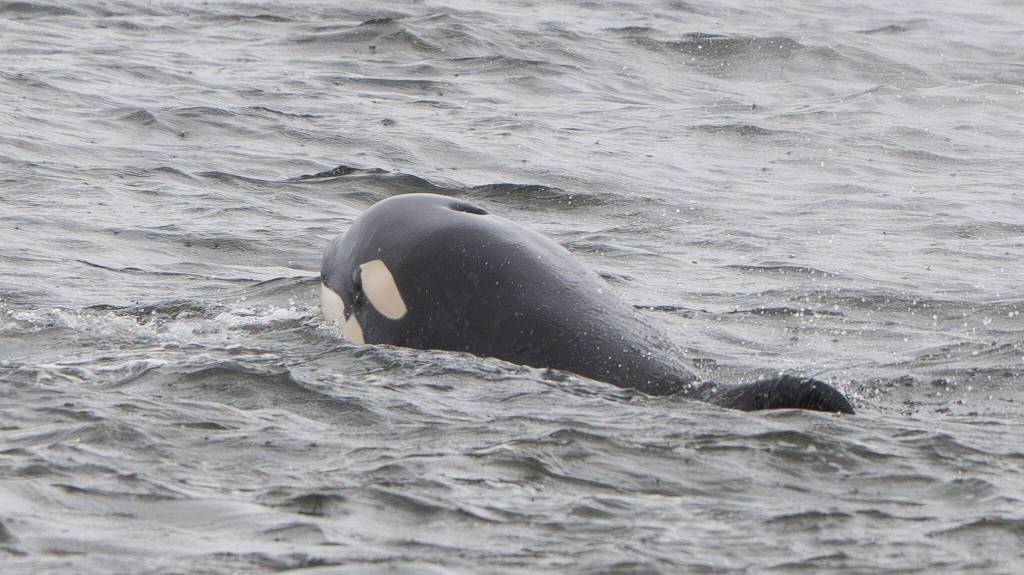
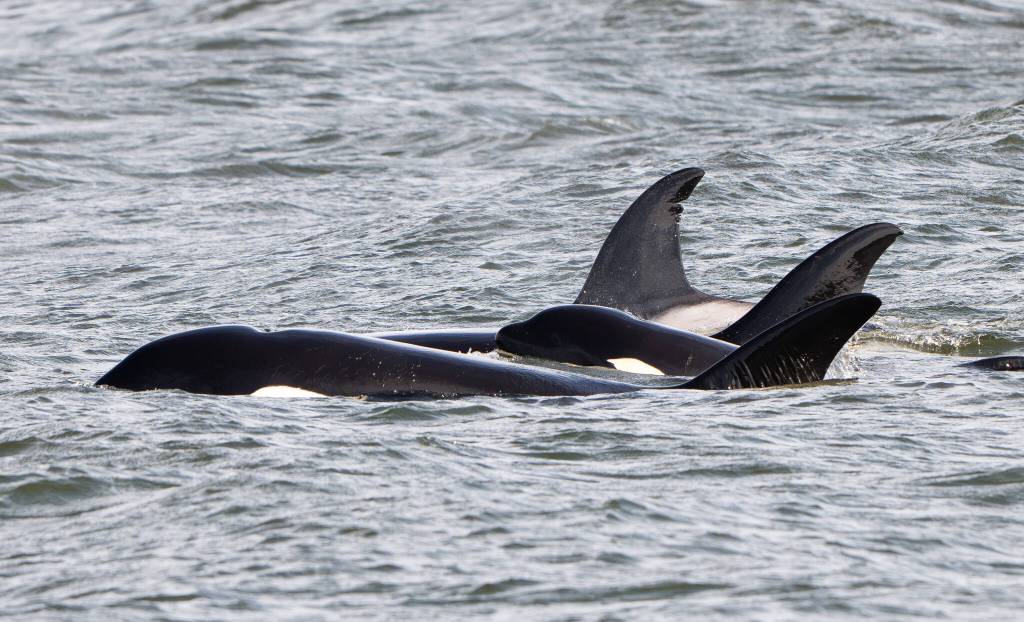
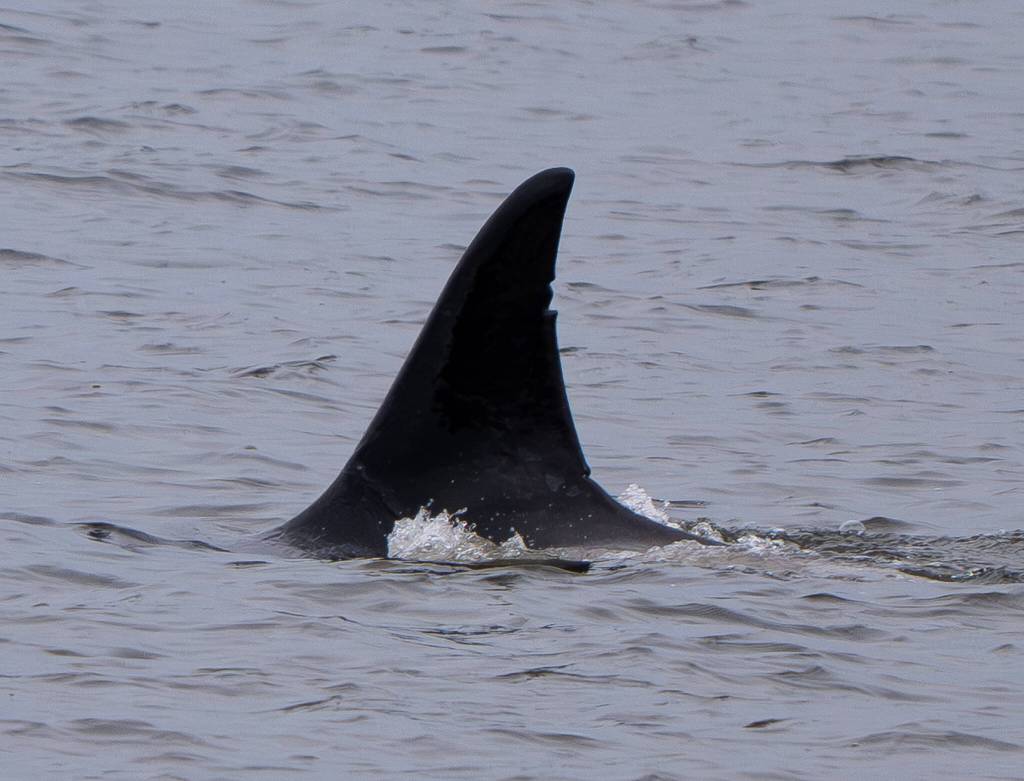
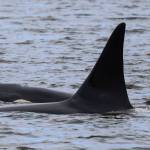


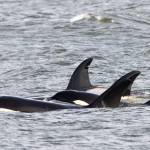
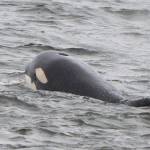
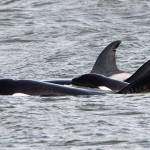
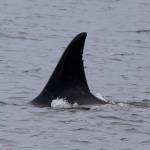
There was a new group of “mystery” orcas that passed by Whidbey Island last week.
Whidbey wildlife photographer Sarah Geist was ecstatic when she was able to photograph T419, T420 and T421 on their surprise visit as they came up Possession Sound and into the Saratoga Passage.
“They are magnificent,” she said. “I kinda thought they’d look like any other orcas. And maybe they did. But for some reason they felt bigger.”
Like Geist, wildlife photographer Cindi Rausch had fun taking pictures of the “mystery orcas,” she said, from East Point on Whidbey Island.
“It was exciting,” Rausch said. “The Bigg’s and southern resident killer whales are very well documented, so when there are unknown fins, we are intrigued.”
The trio has been spotted from Vancouver Harbour to Olympia.
Despite rigorous cataloging of orcas in the Pacific Northwest, the pods’ appearance left researchers scratching their heads. Where did these orcas come from?
The Orca Conservancy said the three orcas were each discovered to have similar circular bite scars on their bodies, a mark specific to that of a cookie cutter shark, according to a Seattle Times article. The cookie cutter shark is a warm-water, deep-sea creature, suggesting the orcas ventured further from shore than local frequenting orcas. Additionally, they were spotted hunting seals at the Port of Olympia, according to Oregon Public Broadcasting, implying they aren’t the southern or northern residents who feed on salmon.
Marine biologist Emma Luck believes the orcas may be Gulf of Alaska transients, or even visitors from the Aleutian Islands or Bering Sea, the Seattle Times reports. Shari Tarantino, the executive director of the Orca Conservancy, told the Seattle Times that the Alaskan transients appear unexpectedly friendly with the orcas in the West Coast transient population.
“We weren’t sure what to expect with the two separate populations, but as it turns out, Transient killer whales in this region seem to be more socially fluid than our Resident eco-types that do not intermingle,” she told the Seattle Times.
Maybe they woke up on the wrong side of the reef, however, because Geist noticed the pods didn’t seem to appreciate the newcomers on March 25. Shortly after she spotted the trio, they stumbled into T36, the T36Bs and the T99s, two West Coast transient orca pods. Their welcome quickly grew stale, Geist said, recalling how T36, the T36Bs and the T99s shooed the foreigners away by following them in pursuit with “slight vigor and a little surface activity.”
“It felt to me like a non-aggressive, but firm “Go away. You’re not welcome here,” Geist wrote in a Facebook post.
Though they are “certainly culturally distinct” from the West Coast transients that are often seen from Whidbey Island, Howard Garrett, the board president of the Orca Network, said it is still undetermined whether they are genetically and acoustically distinct or a sub-population of the species.
“I am very interested in these exotic visitors and where they came from,” Garrett told the News-Times, taking particular interest in their odd habit of visiting urban places and their fearlessness in approaching humans.