Coupeville Town Council slows property agreement discussions
Published 1:30 am Tuesday, December 9, 2025
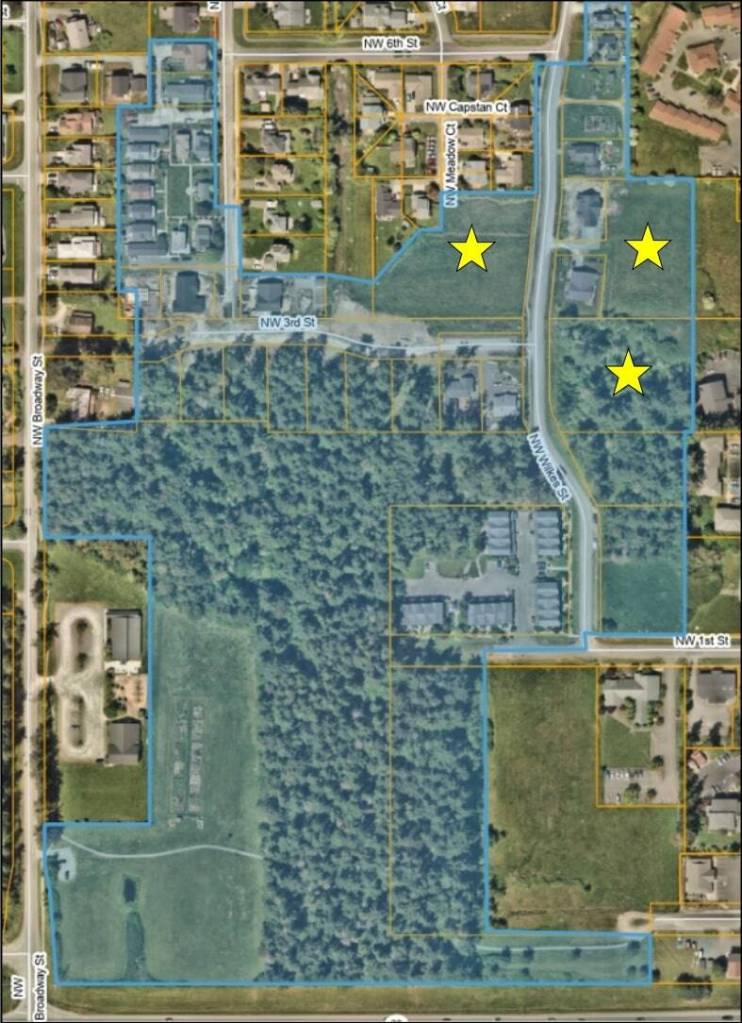
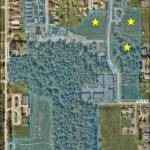
Town officials want to implement more nuanced residential zoning regulations to what remains undeveloped on a 33-acre property situated between Main Street and Broadway Street in Coupeville.
Now, any modifications to the town’s decades-old memorandum of agreement with the property owners may not come until late 2026.
Council members discussed possible changes to the agreement during a town council meeting on Nov. 25. Changes to the agreement must be incorporated in the town’s comprehensive plan. Initially, the council weighed resolutions which could have feasibly been included in the comprehensive plan’s periodic update, which was why the town rushed to meet the update’s original December submission deadline.
Instead, the council chose to spend more time on the issue, seeking a middle ground resolution and further discussion with the property owners.
Modifications to the agreement can be implemented in the future as an amendment to the comprehensive plan, according to materials provided to the council.
“By doing this, we can slow down a little bit,” Mayor Molly Hughes said.
Concerns regarding the speed of the council’s discussions on the matter had previously been raised in public comments.
“We’re not trying to drag our feet on it, but maybe have more options or a more thought-out plan when we go to the community, the public, to see what they have to say about it,” she continued.
Made between the town and Cecil and Cheryl K. Stuurmans in 2004, the agreement dictates the use of clustered development and varied housing types for the purpose of creating high-density housing.
The agreement divides the property into nine areas, each worth a certain number of dwelling credits. Forty-nine credits have been used and 31 are considered unavailable of the 108 the property is worth in total, with 28 still available. Building out the remaining 28 dwellings, all on three undeveloped parcels, would amount to 77 dwellings created on the property as a whole, or just 71% of the original agreement.
Up for debate is whether continuing to develop housing according to the agreement is the best use of the land.
With changes to state legislature and town code, the agreement may be limiting the property’s housing capacity at a time when affordable housing is urgently needed across Washington. A recent report by the state Department of Commerce found that more than a million new homes will be needed over the next two decades to meet “need and anticipated growth,” the majority of which must be affordable to those “earning less than 50% of the median family income.”
Two main paths forward emerged throughout the council’s ongoing discussions: leave the agreement as-is, or change its language to allow the maximum available density, heeding state law where it would permit more housing than the agreement. Doing so would increase the available dwelling credits from 28 to 66.
Unsatisfied with those options, council directed staff during an Oct. 28 meeting to explore the possibility of a middle ground resolution.
Adjusting the minimum lot size may be one way to accomplish this, according to a report presented at the Nov. 25 meeting. While doing so would increase the undeveloped parcels’ dwelling capacity, the gain would not equal that of amending the agreement’s language.