Rare Whidbey prairie protected forever
Published 1:30 am Tuesday, August 11, 2026
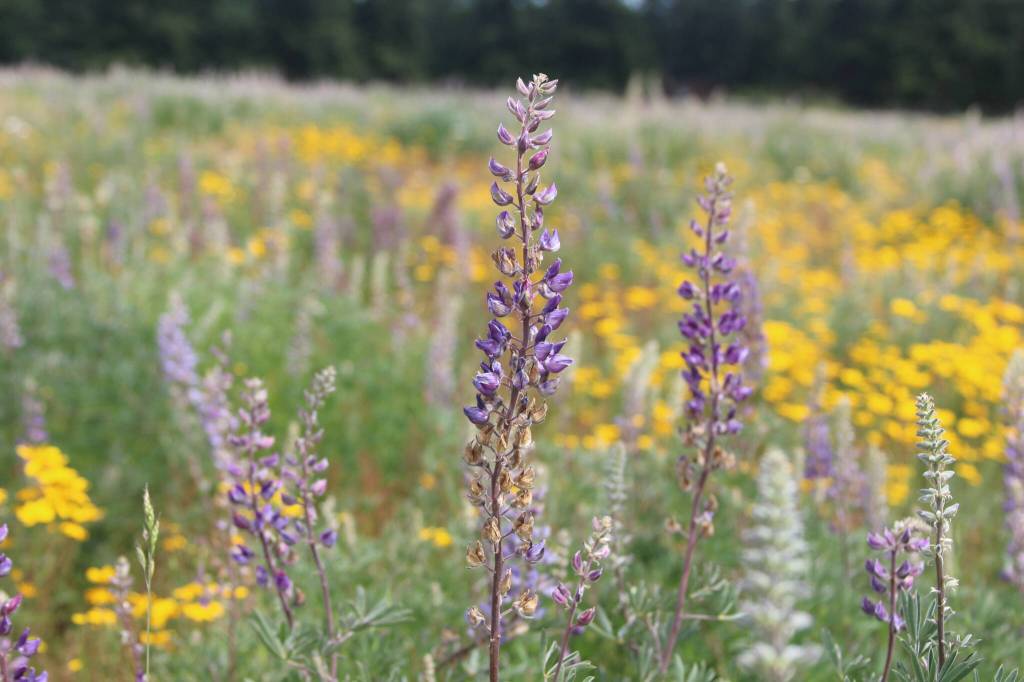
One of Whidbey Island’s most ecologically significant properties near Coupeville has been permanently protected under a conservation easement preserving 143 acres of rare prairie, Garry oak savanna and mature forest while ensuring continued public access to the land’s trail system.
The Whidbey Camano Land Trust, a nonprofit dedicated to conserving land on the islands, worked with Pacific Rim Institute to place the conservation easement on the property. Pacific Rim Institute, a nonprofit conservation and education organization, received $1.7 million from the sale of the easement, with the U.S. Navy contributing $1.35 million and Island Transit providing $350,000. Earlier this year, officials at the nonprofit told the News-Times the organization was facing financial challenges after federal grant funding for its programs was reduced.
“Protecting the prairie remnant is a dream come true,” said Jim Peskuric, chairperson of the Pacific Rim Institute board. “We overcame significant hurdles to make this happen, and we are looking forward to continuing our mission to protect and restore northwest native grasslands across the Salish Sea basin.”
Pacific Rim Institute retains ownership of the property, while the Land Trust holds the conservation easement, which permanently protects the property from development.
According to the Land Trust, the Navy’s participation is intended to prevent incompatible development near the Outlying Landing Field. Funding came through the Department of Defense’s Readiness and Environmental Protection Integration Program, which helps protect military missions by conserving land around military installations.
Island Transit contributed mitigation funds related to the agency’s expansion and potential transition to a low-emissions fleet.
The Pacific Rim Institute has partnered with scientific and academic institutions, government agencies and nonprofits to restore native ecosystems and was instrumental in the recovery of the endangered golden paintbrush, which was later removed from the federal endangered species list. Remnant prairies and Garry oak ecosystems are among the rarest and most threatened habitats in the Pacific Northwest.
“It’s an obvious win-win,” said Ryan Elting, executive director of the Land Trust. “Collaboration like this shows how permanent conservation can work hand in hand with community progress.”