Fire district weighs levy, bond options
Published 1:30 am Tuesday, July 7, 2026
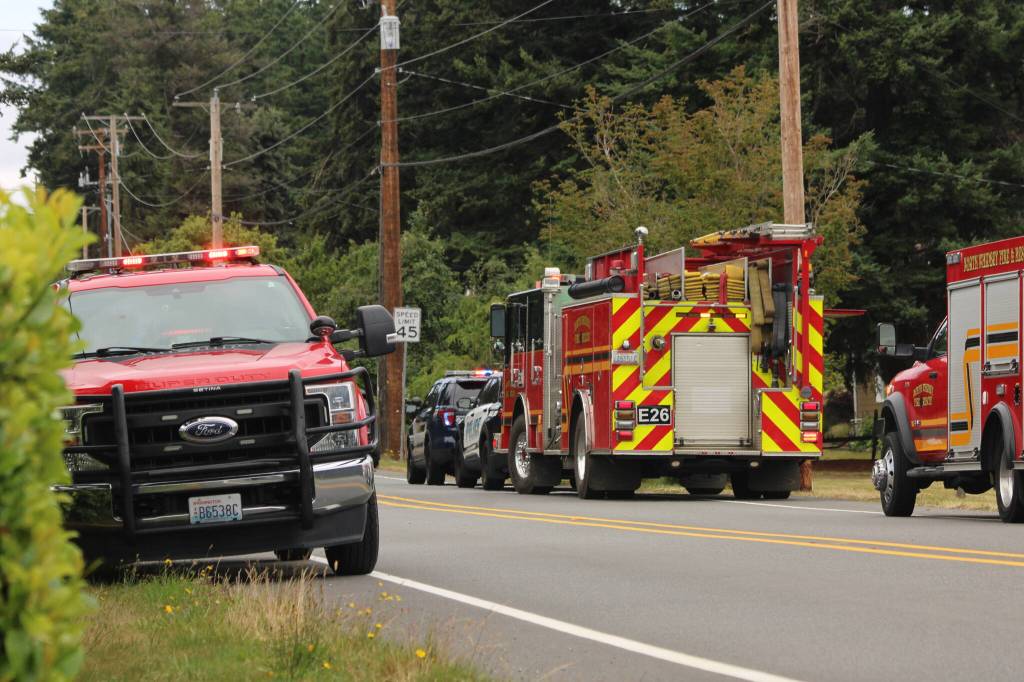
North Whidbey Fire and Rescue commissioners remain divided over whether to ask voters to fund operations, new facilities or both, as district leaders warn that each need is urgent.
The district needs additional property tax revenue both to fund day-to-day operations and to build a new headquarters while consolidating aging fire stations. A strategic plan adopted in May recommends placing complementary ballot measures before voters this year or next.
District officials told the News-Times layoffs could occur by 2030 if voters do not approve a levy. But no decisions were made by the end of a more than three-hour special meeting on June 30.
“There’s no progression, it feels like,” Commissioner Gerald Smith noted.
District officials say inadequate staffing and aging facilities are closely linked.
Staffing shortages have affected North Whidbey Fire and Rescue for years. With just four full-time, two part-time and some “per diem” firefighters — as well as a significant number of volunteers — the district struggles to meet staffing minimums outlined in its own collective bargaining agreement and in a contract with WhidbeyHealth which pays the district to operate an ambulance.
Three union grievances filed earlier this year and an employee survey that identified morale and staffing concerns underscored the district’s staffing challenges. District officials noted in a previous News-Times story that financial constraints have prevented the district from hiring additional full-time firefighters, a key recommendation of the strategic plan.
“That levy’s critical if we’re gonna keep operating,” Commissioner Marvin Koorn said.
Commissioners said the district’s aging fire stations present an equally pressing challenge.
Some of the stations are over 50 years old, two are without bathrooms and most fail to meet “current seismic, bracing, energy or building code requirements,” the strategic plan explains. That the condition of these facilities has not caused a bigger issue for the district is lucky, Smith said.
The district hopes to break ground on a new headquarters on Ault Field Road in 2028, per the strategic plan, while studying whether several existing stations can be consolidated to better serve its 55-square-mile district.
Deputy Chief Ray Merrill said separate feasibility studies will likely be needed for the headquarters and station consolidation projects, even though the two efforts are closely connected.
Because the district has long depended on volunteer firefighters, Smith said he believes that model will continue for the foreseeable future.
Koorn raised concerns about the reliability of volunteers at the meeting, however. Fire Chief Chris Swiger vouched for a “core” group of volunteer firefighters that regularly respond to fires.
From Smith’s perspective, the makeup of the district’s staffing is out of its hands, at least for the time being.
“We’re going to be volunteer for a very long time,” he said.
District officials agreed that timing and messaging must be considered in the pursuit of increased property tax revenue.
Koorn said a levy may have a better chance of passing than a bond. Asking voters to approve both at once could be difficult, he said, while pursuing them separately could delay one measure by several years.
“The problem is,” Commissioner Robert Miller said, “we need both.”
Budgeting will be discussed at the next regular board of commissioners meeting in July. Koorn believes those numbers, and more specific revenue projections for potential property tax rate increases, should be considered before any decisions are made.
“I think we’re shooting in the dark,” he said.
Commissioners are expected to revisit the issue after reviewing updated budget projections later this month.