Island County eyes ways to clean up Lone Lake
Published 1:30 am Tuesday, November 25, 2025
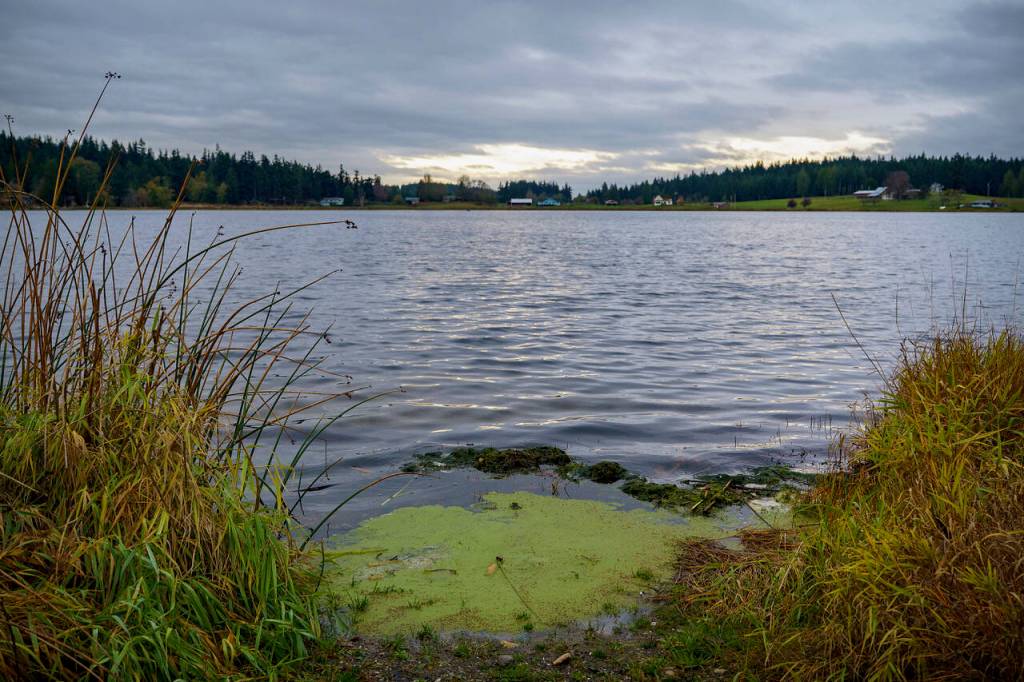
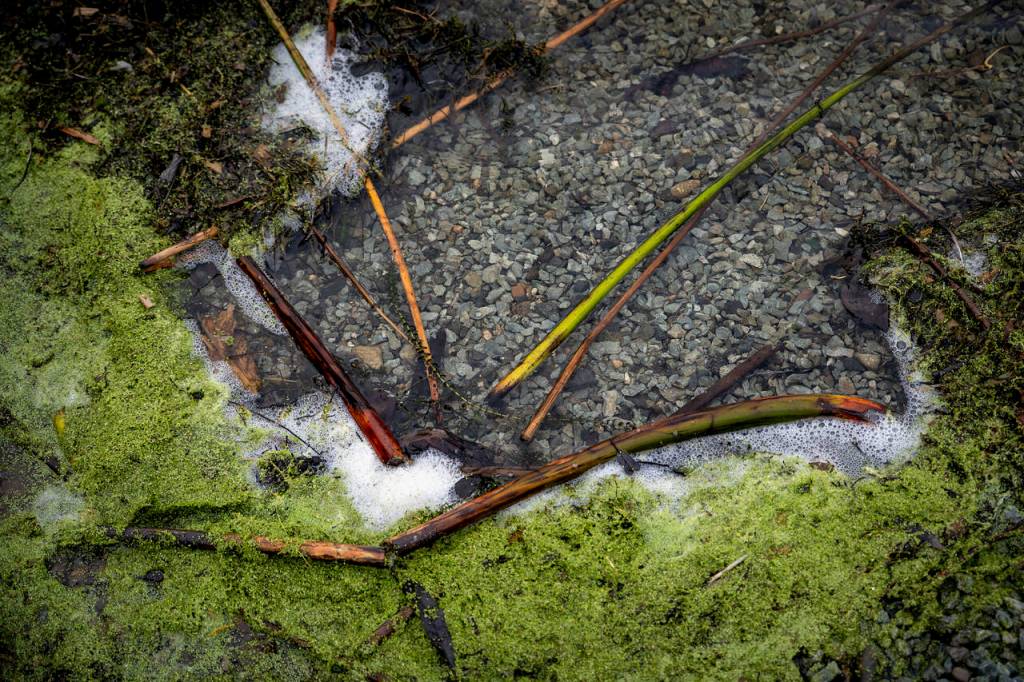


Though toxins continue to persist in a lake, cleanup is costly and would likely take several years.
South Whidbey’s Lone Lake is shallow and rich in nutrients, increasing its likelihood of developing harmful algal blooms, according to information from staff in Island County’s Natural Resources and Environmental Health departments shared by Public Health Director Shawn Morris.
Testing over time has occasionally found two types of toxins: anatoxin-a, a nerve toxin that acts by paralyzing muscles and can be harmful to health, especially for pets, and microcystin, a common liver toxin that can cause illness like nausea, vomiting and diarrhea.
The state recreational guidance level allows for one microgram per liter for anatoxin-a and eight micrograms per liter for microcystin. When Lone Lake has tested positive for toxins above this level, advisory signs are posted at the lake’s public access points to prevent illness in people and pets, Morris said.
Microcystin was present in Lone Lake between 2007 and 2023, and anatoxin-a between 2010 and 2025. While the exact timing can be influenced by different factors, Morris said, he recalls harmful algal blooms being more common in the summer months with warmer temperatures.
Water quality history and toxin trends for Lone Lake can be tracked on the website, nwtoxicalgae.org/HistoricalCharts.aspx?SiteID=14.
According to a previous South Whidbey Record story, the eradication of native underwater plants – due to herbicide and the addition of grass carp that were meant to get rid of an exotic water plant – shifted the lake to become algae-dominated.
Island County Commissioner Melanie Bacon noted in one of her newsletters earlier this month that she has received a number of letters from Lone Lane residents wanting the commissioners to apply for a grant to treat the algae problem. She has heard from Public Health staff that the lake needs $250,000 for this treatment, and the maximum grant award is $50,000. Since there is no way to guarantee the county will get this money annually for the next five years necessary to treat the lake entirely, the department has been working to decide if it is worth starting if it can’t be finished.
It may come before the county commissioners during a work session or regular session for approval to apply for the grant, but this has not yet been determined.