Ferry system sees increase in summertime riders
Published 1:30 am Friday, October 17, 2025
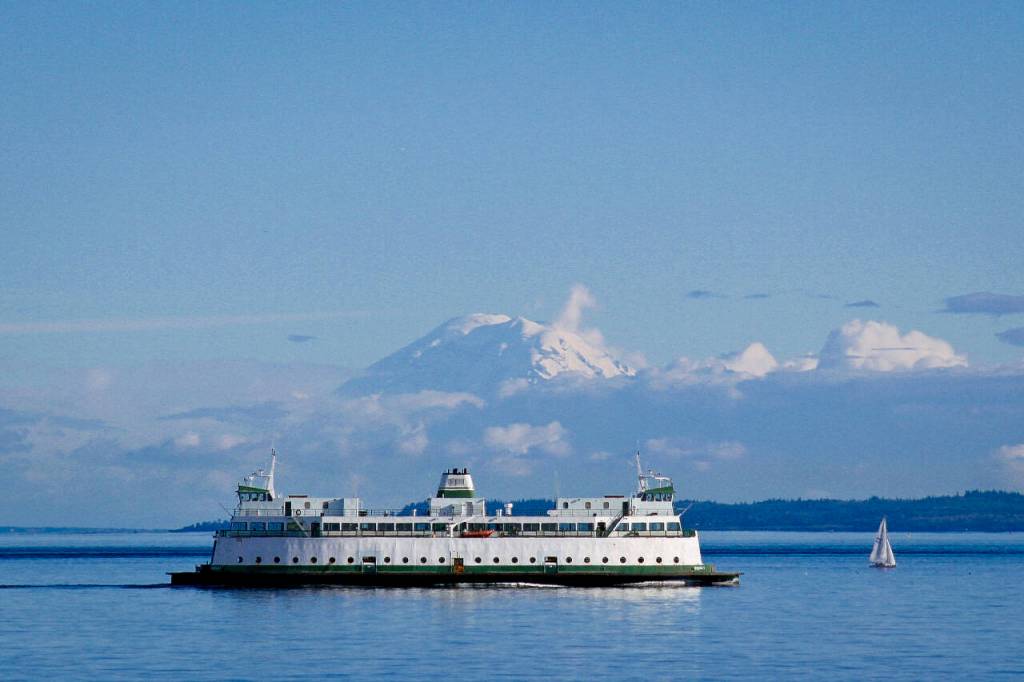


Half a million more passengers sailed aboard a state ferry this summer compared to last summer, according to Washington State Ferries.
Officials hosted two community meetings this week to share this statistic, among many others.
They touted fewer cancellations due to crewing, which Steve Nevey, head of the division, said shows the system has recovered from its staffing challenges. There was a 70% decrease in cancellations from the previous summer.
The Port Townsend-Coupeville route experienced an 11% increase in passengers from summer 2024 to summer 2025, which means about 30,000 more passengers.
The first of the new hybrid-electric vessels, which will carry up to 160 cars, is expected in 2030. Electrification efforts are ongoing at the Clinton terminal, where there is currently funding to finish the design but construction is not yet fully funded.
Officials fielded questions from the public for about an hour. During the first of the two meetings, topics included line-cutting, schedule changes and fare increases.
Though line-cutting continues to be a problem, terminal staff are not expected to be arbiters, and law enforcement doesn’t have the capacity to intervene, John Vezina, assistant secretary, explained. There are also those who may seem like they are cutting but actually are allowed to skip the line, such as vanpools and customers with medical preferential loading.
One attendee asked about the possibility of using cameras to catch cutters, but an officer has to see the infraction under current law, and the situation gets more complicated when people have exceptions to go to the front of the line.
Officials acknowledged that during the busy summertime, boats running the Mukilteo-Clinton route are often late. It’s the system’s heaviest vehicle route, and the Suquamish recently had a catastrophic engine failure. Vezina said the vessel will be doing sea trials by the end of the week prior to returning to service.
“So we’re focused on keeping two bigger boats there, and then looking at the schedule when we have the capacity to do so,” he said.
There are currently not enough vessels in the system to support the return of the Anacortes-Sidney, B.C. route until 2030.
Nevey addressed staffing, saying the biggest concern in the past was having enough qualified captains and chief engineers to run the system. Training programs successfully helped fill this gap, and now there is a wait list of people interested in captain jobs. In addition, employees who were laid off for not getting the COVID-19 vaccine during the mandate have since been able to apply and get their jobs back.
In regard to fares, which are set by the state legislature, Senior Director of External Relations Jenna Forty said the goal is to keep pace with inflation with a 2.5% increase every year but this year was an outlier with an additional 50 cents to the capital vessel surcharge passed as part of the revenue package.