Pacific Northwest Art School celebrates 30 years in Coupeville
Published 1:30 am Wednesday, October 26, 2016
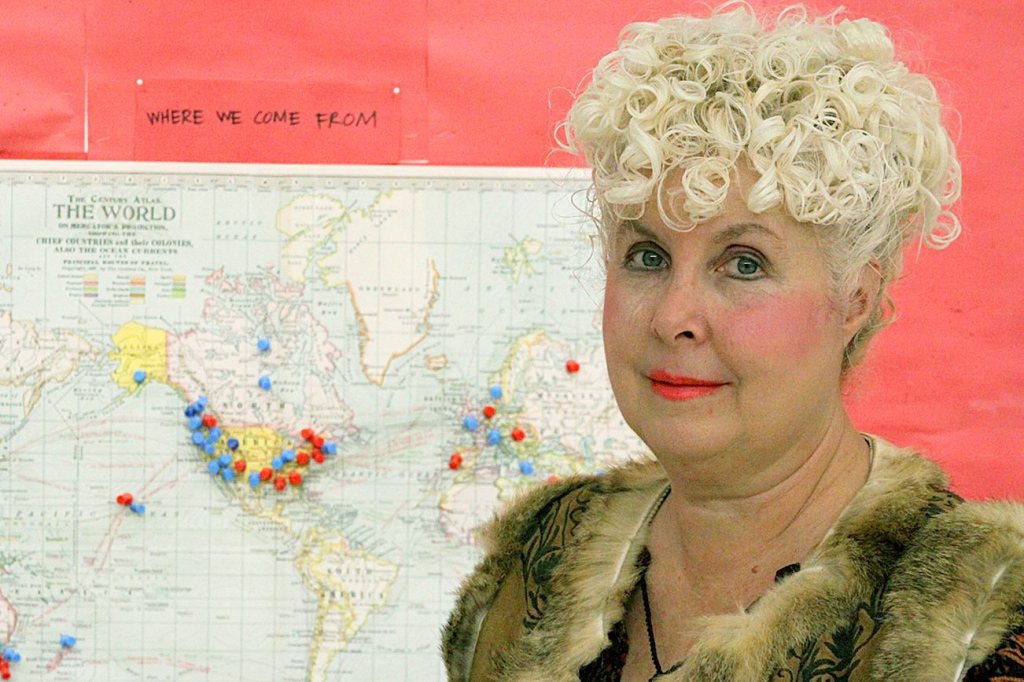
Some of the country’s best art instructors have long known about Coupeville’s Pacific Northwest Art School.
For decades, the school has lured respected art teachers from across the United States and other parts of the world with a reputation of first-class treatment combined with Whidbey Island’s inspiring scenic beauty.
Yet, despite the school’s far-reaching appeal, it at times suffers a bit of an identity crisis on the homefront.
Thirty years after the Pacific Northwest Art School started, some residents still don’t know that it exists on Birch Street.
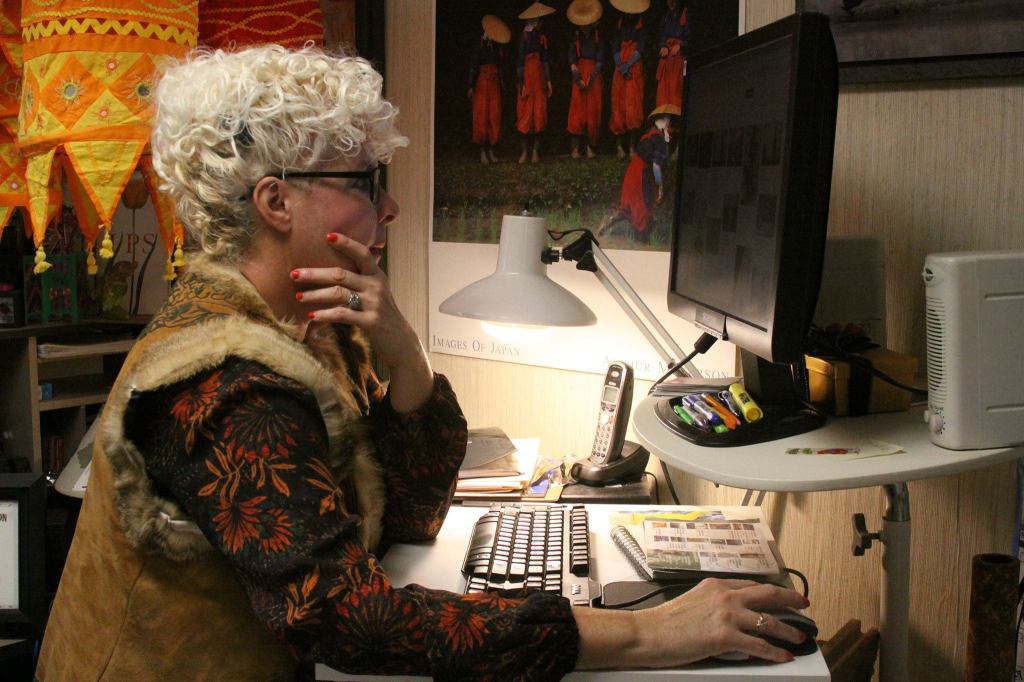
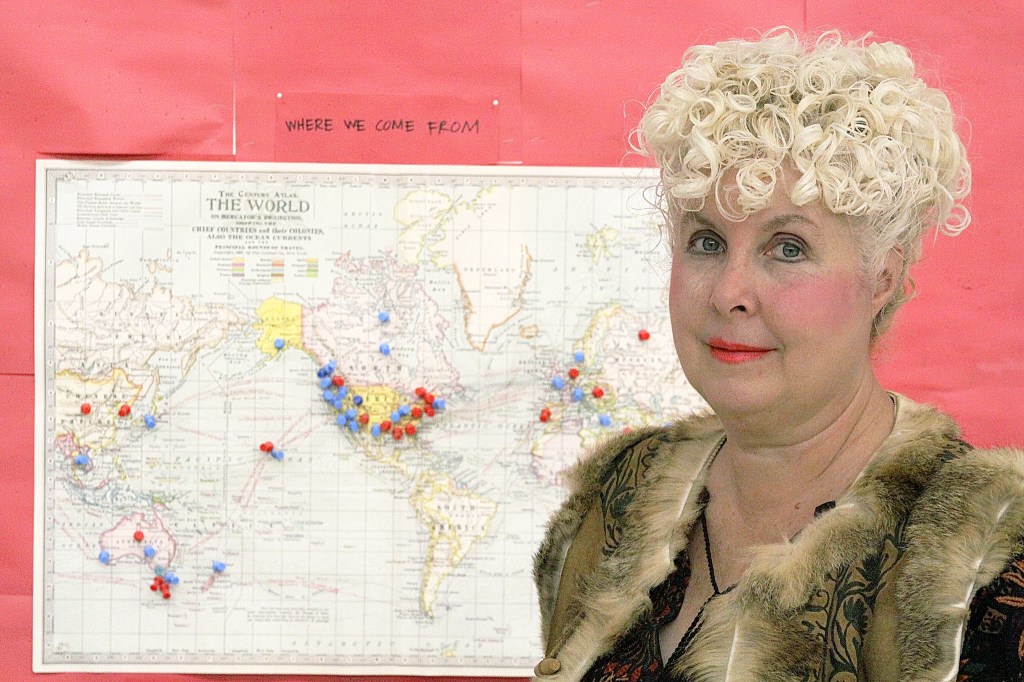
“We’re on a dead-end street so visibility has always been an issue for us,” said Lisa Bernhardt, the art school’s executive director.
“It’s like we’re the best-kept secret in town.”
Bernhardt is inviting the public to get a closer look at the Pacific Northwest Art School during a 30-year anniversary celebration.
The event, “Pearls and Prosecco,” an evening of celebration and cheer, will take place at 6 p.m., Saturday, Nov. 5, at the art school, which is located at 15 NW Birch St.
There is no cost to attend the event. It will feature a silent auction in which several pieces of art work from the school’s private collection will be up for bid.
The event serves as the major year-end fundraiser for the non-profit school and offers a chance to pause and reflect on three decades of serving art students with unique instruction and experiences.
Nearly 500 students have attended workshops this year, which often take place over multiple days, giving a boost to the island economy.
Bernhardt estimated about a $300,000 annual impact.
“Eighty-five percent of our students come from off-island,” she said. “Of that 85 percent, 44 percent are from the state of Washington and the rest are from all over the United States, Canada and abroad.”
About 80 workshops in painting, fiber arts, photography and mixed media are scheduled annually from April through October with other one-day classes offered during the “shoulder season” from November through March, Bernhardt said.
In 30 years, she estimates about 15,000 students have attended classes at the school.
“There are people around the world aware of our island because of this school,” said Kay Parsons, an Oak Harbor watercolor artist and president of the Whidbey Island Arts Council.
Parsons said that Bernhardt, who is part of a paid staff of two and-a-half people, has “brought her heart” to the school and propelled it forward.
There were uncertain times when the school struggled, juggling leaders and a name change.
Bernhardt started at the art school in 2005 as a volunteer and became executive director four years ago.
“When I first started here, we had 900 students a year, then 2008 happened,” Bernhardt said, pointing to the recession. “For someone to come and take a workshop, that’s discretionary income. We went way down. I think we got as low as 285, then we built back up from that.”
Seven founders came up with the concept of an art school on Central Whidbey in 1986. A year later, the first fiber forum was offered by what was originally known as the Coupeville Arts Center. The workshops took place at Camp Casey Conference Center.
A $25,000 grant from the Coupeville Festival Association in 1988 was used as seed money to bolster the school and start bringing in known artists to teach their crafts in Coupeville.
“We started offering art education with the very best known teachers in the medium that we chose from the United States and abroad,” said Judy Lynn, one of the school’s founders and first director.
“We developed the reputation of taking care of our instructors and our students so well that everybody kept recommending us to their peers.”
Lynn remembers when Ruth Bernhardt (no relation), at the time “one of the biggest names in photography,” taught in her latter years in Coupeville.
“She was in her 90s and at the time was living in San Francisco,” Lynn said. “She was fabulous. She taught her very last workshop in Coupeville. That is included in a book written about her.”
Another notable photographer, Sam Abell, is a visiting faculty member who’s already committed to teaching his 17th consecutive year at the art school.
“Our workshops are growing,” said Margaret Livermore, another art school founder. “A lot of them are full.”
A huge part of the Pacific Northwest Art School’s success has been the dedicated volunteers who serve in various capacities, including classroom aides, Lisa Bernhardt said.
They’re the ones who make visiting faculty and students feel at home.
“With a paid staff of two and a half there is no way we could offer that kind of service to our students and faculty if we didn’t have volunteers,” Bernhardt said.
“I see them as ambassadors to the school.”