A new seal culling proposal revives an old debate
Published 1:30 am Friday, July 31, 2026

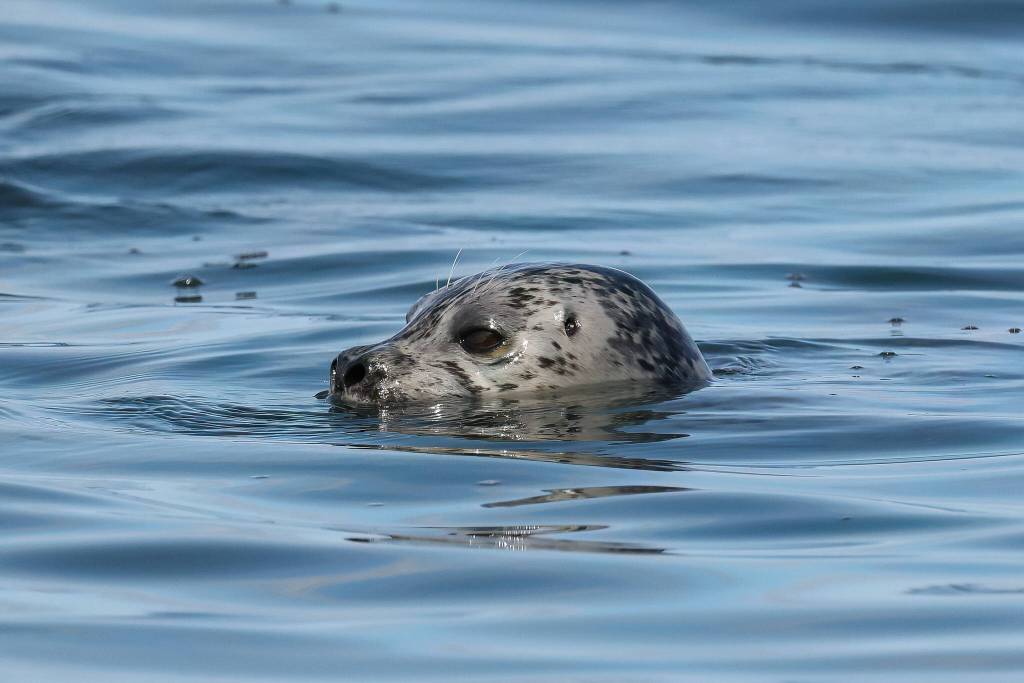
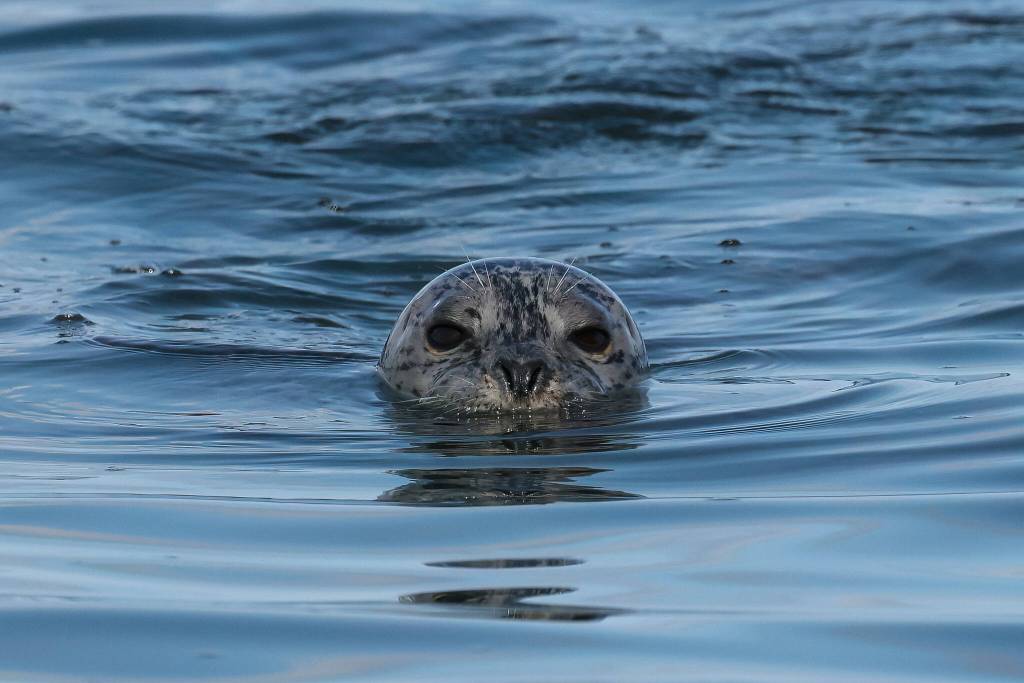

Legislation that would expand the killing of seals and sea lions in an effort to protect salmon could have implications for a Whidbey Island organization that advocates for marine mammals.
Washington State and some of its tribes would play a greater role in managing sea lion and seal populations under federal legislation recently proposed in the interest of protecting and encouraging the recovery of salmon, according to a recent Seattle Times story.
While the Orca Network has yet to take an official stance on the proposed legislation, Stephanie Raymond, its co-executive director of programs, explained that the group generally opposes pinniped culling to save salmon.
“If it were as simple as doing a seal cull, then the problem probably would have been fixed by now, right?” she said. “But there is no one solution that is going to fix this.”
Under the proposed federal legislation put forward by Reps. Michael Baumgartner, R-Spokane, and Emily Randall, D-Bremerton, more species of pinnipeds could be killed and restrictions limiting lethal removals to parts of the Columbia River would be lifted. Methods other than chemical euthanasia could be used. Nonlethal means of preventing pinnipeds from traveling upstream into salmon habitats would also be developed.
The goal of the measure is to protect salmon populations listed as threatened or endangered under the Endangered Species Act. Supporters argue that reducing the number of seals and sea lions that prey on salmon would help southern resident orcas, an endangered population of killer whales that relies primarily on Chinook salmon.
Fourteen species of salmon and steelhead are at risk of extinction, according to a 2024 report by the Governor’s Salmon Recovery Office.That fact threatens “the sport, commercial and tribal fishing industries as well as the economic well-being and vitality of vast areas of the state,” according to state law.
But Raymond explained that there are several reasons for that, including habitat loss and water pollution, which are driven by human activity. Raymond said pinnipeds are often “made the bad guys” for hunting salmon in man-made situations where doing so is ideal, as is the case with the Ballard Locks.
Culling seals and sea lions to save salmon could have unintended consequences.
Limited research has been conducted to determine the status of the harbor seal population in Puget Sound, Raymond said, undermining claims that it has exploded.
“We don’t know that this isn’t what the population is supposed to be right now,” she said.
Some species have already adapted to fluctuating populations of salmon and pinnipeds in what Raymond called “natural checks and balances.” Transient, or Bigg’s, orcas feed on marine mammals like seals and are being seen increasingly in Puget Sound, according to a study by the University of Washington.
Raymond said those orcas may rely on pinnipeds as an important food source.
There have been attempts to cull pinnipeds in the interest of saving salmon before.
A bounty existed for harbor seals in the Puget Sound in the first half of the twentieth century prior to the Marine Mammal Protection Act, according to the University of Washington’s Puget Sound Institute. And the expansion of a program allowing the capture and euthanasia of sea lions in the Columbia River Basin was authorized in 2018, the Seattle Times story adds.
“Generally speaking, making a decision to cull one species to save another, I feel, really presumes that we understand how the ecosystem works better than we actually do,” Raymond said.