Festival weaves together new and longtime vendors
Published 1:30 am Friday, July 31, 2026
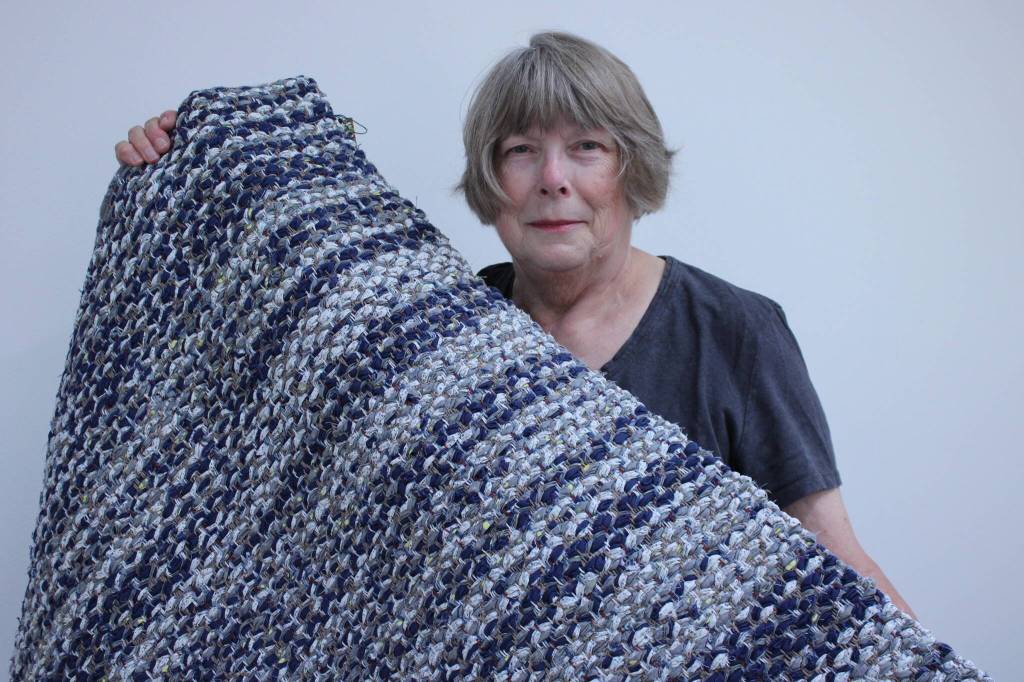
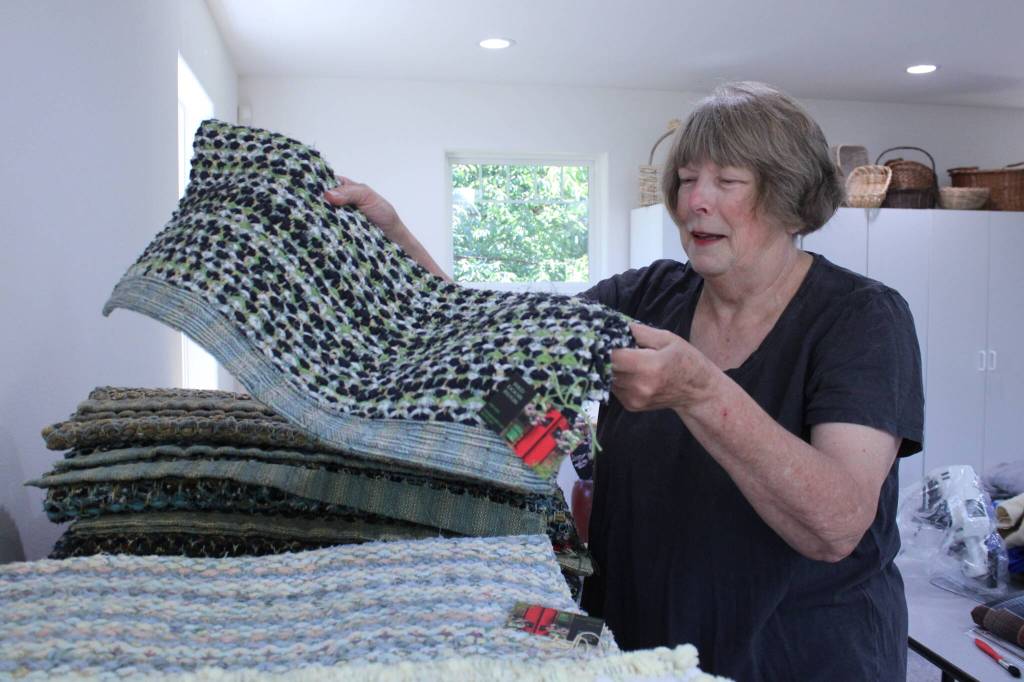
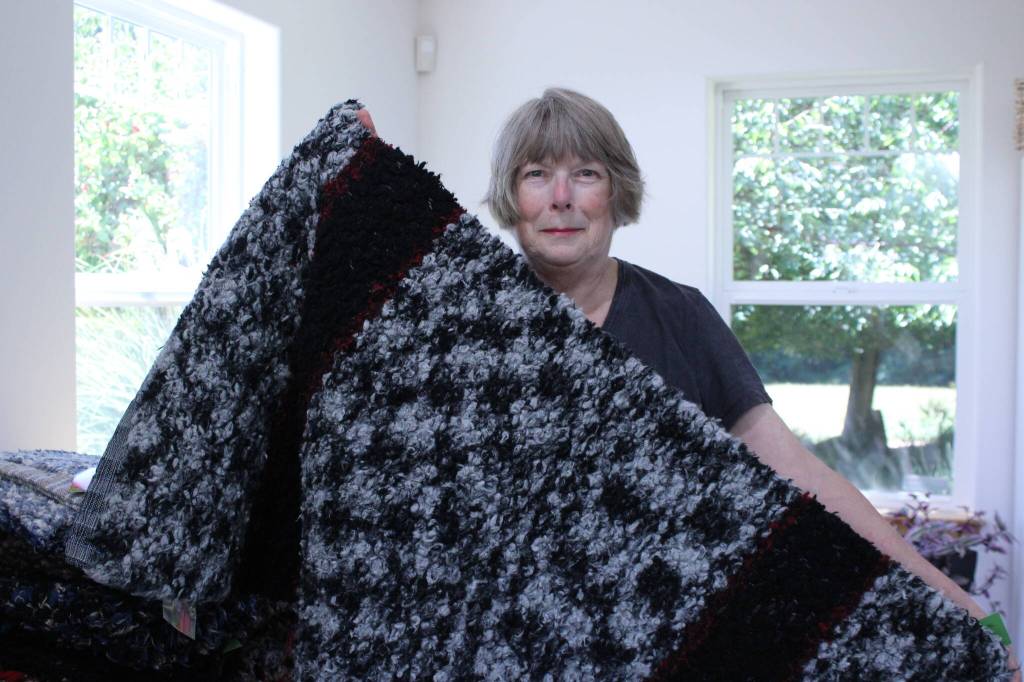
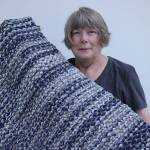

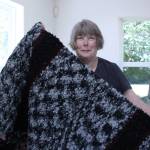
Clinton resident and long-time vendor Cindy Good is returning to the Coupeville Arts and Crafts Festival this year to sell her handwoven recycled rugs, something she has been doing since the 1990s.
“It is the best-run show I’ve ever done, and I’ve done several in California, Oregon and up here,” she said. “They really take care of their vendors.”
Thirty-five new vendors will join returning favorites at the 62nd annual Coupeville Arts and Crafts Festival, according to Melinda Erickson, president of the Coupeville Festivals Association. That means a whole lot more to browse for the approximately 10,000 visitors the event is expected to draw between Aug. 8 and 9.
Vendors will line both sides of Coveland Street, Alexander Street and Front Street in Coupeville, and their offerings can be perused from 10 a.m. to 6 p.m. on Saturday, Aug. 8 and from 10 a.m. to 5 p.m. on Sunday, Aug. 9. Visitors can satisfy their cravings with a number of food vendors as well, including Bangkok Bistro, Coupe’s Last Stand and Front Street Grill.
That the association has been able to award more than $1.2 million in grants and scholarships since the festival’s inception is part of what makes it special, Erickson explained. The quality of items offered is another one of its strengths.
“The emphasis we put on our vendors only offering handcrafted products is very special,” she said.
What began as a way to express herself creatively while working for a pharmaceutical company has now become a passion for Good, who estimates having woven more than 1,400 rugs over the last roughly three decades.
Good weaves her rugs from recycled Pendleton wool selvage, vintage wool coats, sheets, fabric and sock-looping material. All of her rugs are woven with a loom, and she estimates it takes about 25-30 hours to weave fabric rugs and 18-22 hours to weave others, not including time spent preparing the loom and the material.
The rugs are preshrunk, allowing customers to safely wash and dry them.
“It’s fun,” Good said. “It’s labor intensive, but I enjoy the labor.”
That labor gives new life to fabrics that might otherwise end up in a landfill.
“It’s a good way to use materials and make a durable rug that would last a long time,” Good said.
Weaving recycled materials together in a way that is visually appealing is part of the challenge of Good’s craft, as she may not receive enough of one kind of material to make a whole rug out of it. But large stacks of rugs in her studio show it is a challenge she loves.
“It takes some creativity and thinking,” she explained. “I dream in color sometimes, and wake up with ideas of what to do.”
Taking a rug weaving class “on a whim” is what initially hooked Good. Since then, she has brought her rugs to other festivals similar to that of Coupeville’s partly because she enjoys the community aspect of such events.
“Weaving is a really solitary activity, and I don’t get any feedback unless I put my work out there,” Good explained. “And so that’s my way of doing that, is doing the festival. I get comments from people — usually all positive — but it’s nice to hear that somebody likes what I’m doing.”
Good’s handwoven rugs are sold primarily at the Coupeville Arts and Crafts Festival and occasionally out of her studio in Clinton. Visiting her booth — and seeing the rugs in person — is what sells customers on taking one home, she explained.