Teens call the shots at film camp
Published 1:30 am Tuesday, August 11, 2026



With four scenes of footage suddenly gone and only 30 minutes before sunset, 18-year-old Katie Sheppard had to remain calm under pressure and figure out how to get the production back on track.
The Oak Harbor teen was acting as director during the annual 4-H Teen Film Camp on Whidbey Island when the filmmakers discovered they had lost roughly four scenes’ worth of footage. Sheppard said learning about it felt like getting a “bomb dropped” on her.
“That was definitely a challenge to get everything on track, get the crew together, get morale up and be like, ‘Okay, this happened. We can’t do anything about it. Let’s fix it,’” she said.
Creating a movie doesn’t always go according to plan, but learning how to overcome those challenges is part of the experience for teenagers from across Washington who gather on Whidbey Island to put their skills to the test as part of the camp.
The camp gives teens the opportunity to produce their own films with the help of experienced mentors. This is the third year the camp has been held on Whidbey.
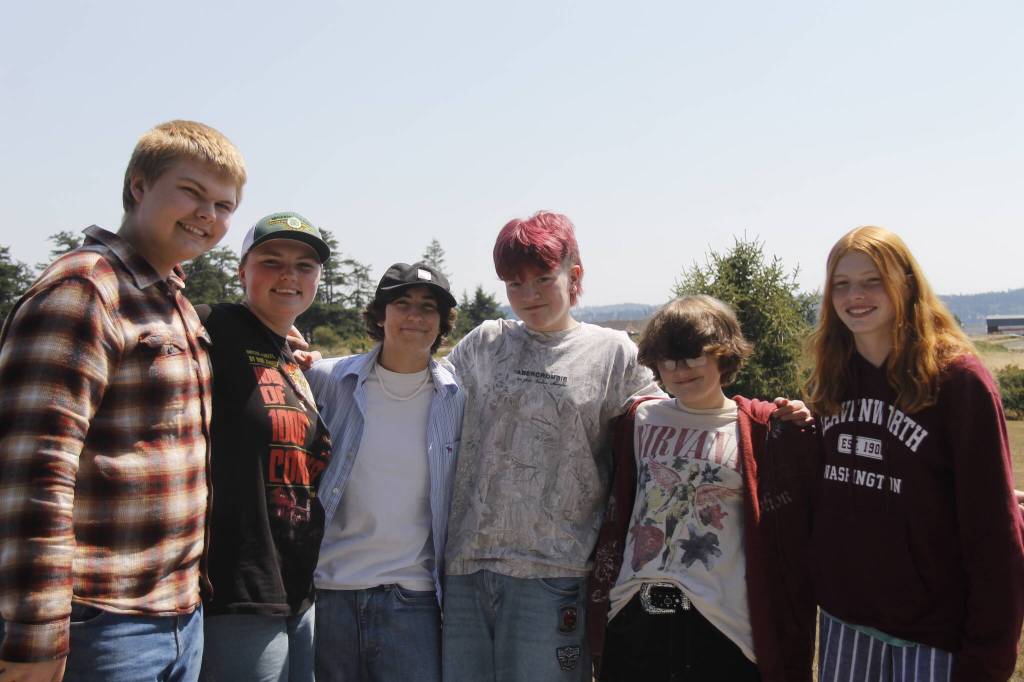
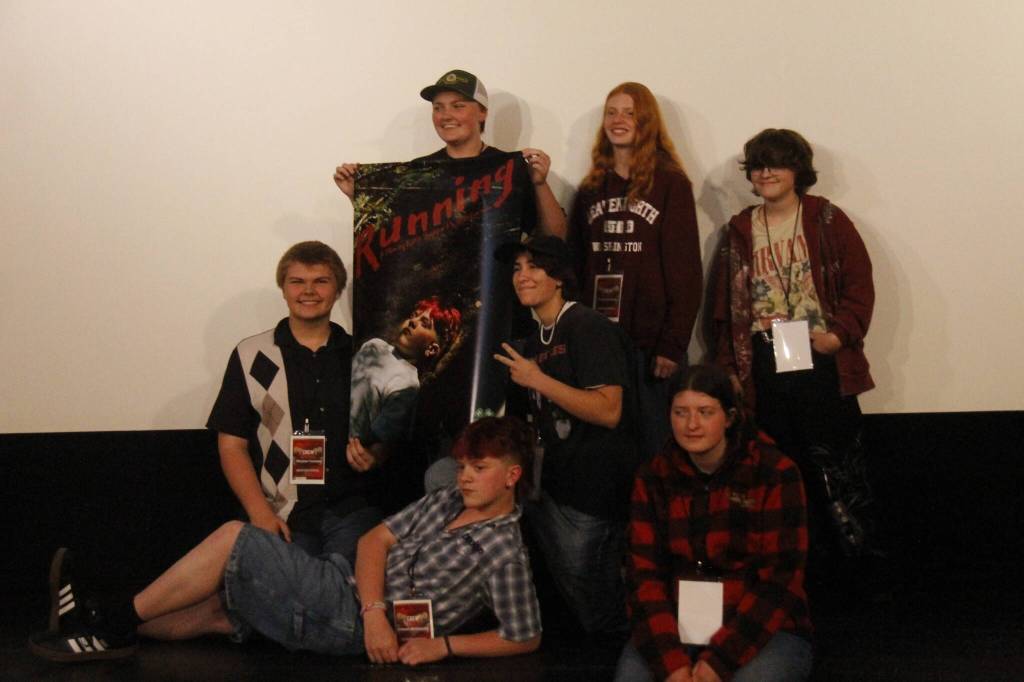
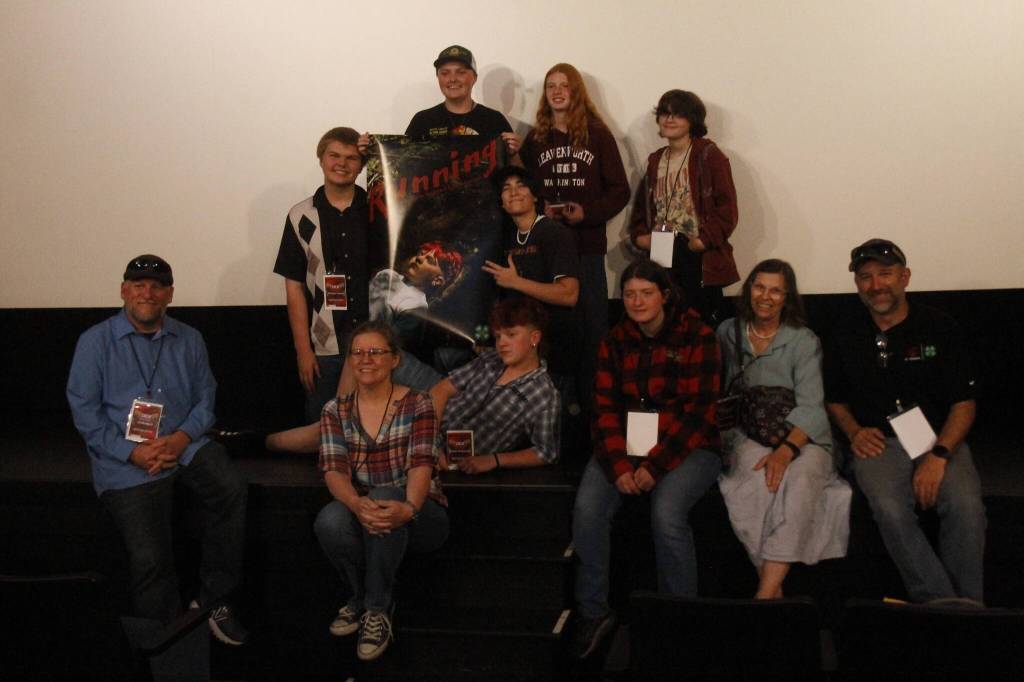
This year, the young filmmakers banded together to create two video productions: a PSA titled “Screenagers” and a narrative short film dealing with themes of LGBTQ+ acceptance titled “Running.”
Before the teens even met in person, there was a two- to three-week preproduction phase in which they delegated roles, wrote the script and organized a shot list over Zoom. Filming and editing took place over four days from Aug. 4 to Aug. 7 on Whidbey Island. The films were then screened for the public as part of the Youth Film Festival at the Clyde Theatre in Langley on Aug. 8.
One teen returning to the camp for his second year was Rowan McDonald, a 15-year-old from Coupeville. McDonald initially joined last year’s camp because of his passion for acting but said the opportunity to connect with other like-minded teens brought him back this year.
“I like when new people join in,” he said. “I’ve always been an outgoing person. I’m always meeting other people, and so I’m just glad that I get to meet other people who are interested in doing the same things I am.”
McDonald emphasized the “hands-on” nature of the film camp, explaining that while the camp’s mentors provide equipment and guidance, the teens are the ones doing most of the work.
J.G. Blodgett, one of the camp’s film mentors, said the teens were able to take advantage of Whidbey’s “breathtaking” scenery and “dramatic backgrounds” to bring their equally “dramatic scripts” to life.
Sheppard said collaboration was key to the filmmaking process.
“We have this one story: This kid, he’s scared in the woods,” she said. “There’s a billion ways that you can tell that, and being open to how other people want to tell that was really important.”
Blodgett said his favorite part of the program is being able to show young filmmakers how enjoyable working together in a collaborative film environment can be.
“It’s fun to watch them light up when they start doing some cool stuff,” he said.
The camp faced a challenge of its own this year. The program is primarily grant-funded, but its funding for 2026 was cut. As a result, WSU Island County Extension stepped in to supply the funds for this year’s camp.
“Being able to fund this program is really important because it gets youth outside, off their phones,” Sheppard said. “They’re collaborating, they’re creating something, they’re being productive over the summer, they’re learning.”
Sheppard suggested that any creative teen with an interest in telling a story should consider applying to the camp in the future.
“Even if you don’t have the technical expertise to work a camera, to set up a shot, you still have the passion to tell a story,” she said. “And I think that’s more important than any cinematography. It’s the story that you create.”