Langley council sends levy lid lift to voters
Published 1:30 am Tuesday, July 21, 2026
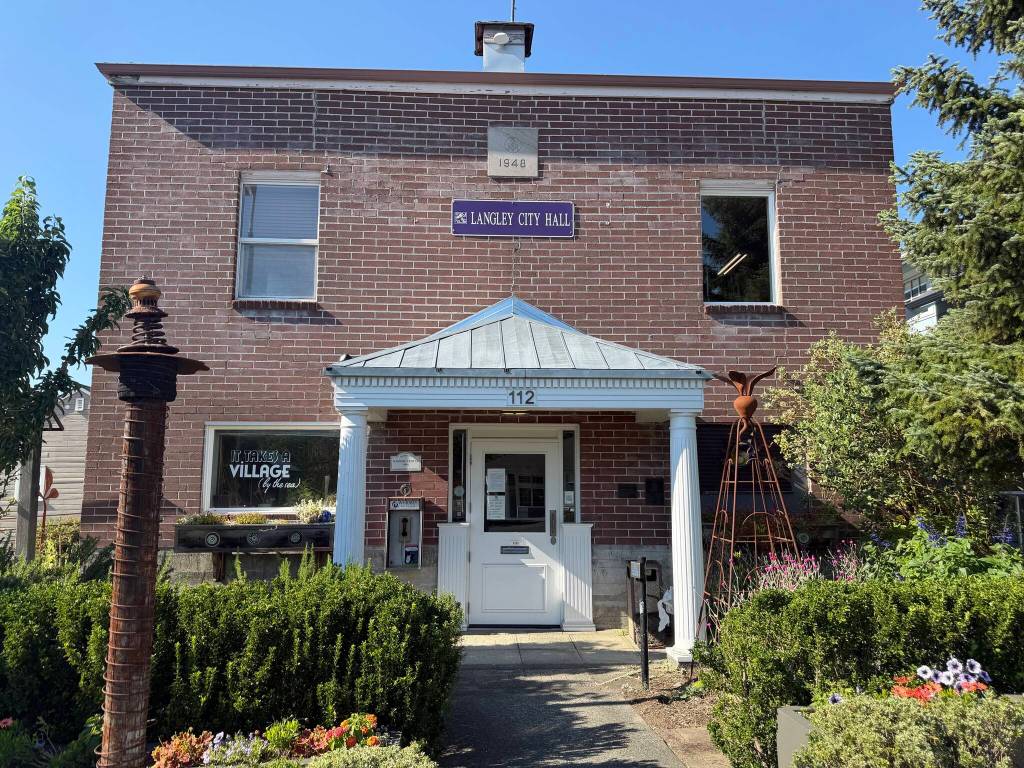
The Langley City Council approved a property tax levy rate Monday that will appear on the November ballot as part of a proposed levy lid lift aimed at addressing the city’s financial challenges.
The finalized levy rate is $1.66 per $1,000 of assessed value. The rate is lower than the preliminary $1.74 per $1,000 approved by the council at its previous meeting. The current levy rate in Langley is slightly less than $1.01 per $1,000.
If voters approve the tax in November, the new rate would increase Langley’s annual property tax collections from about $492,000 to about $808,000 and raise taxes on the average homeowner by a little less than $500 a year. The average assessed property value in the city is $770,000.
Mayor Kennedy Horstman said she has generally “approached property tax increases with great caution,” but Langley’s finances have been “squeezed for decades” by state law limiting annual increases in regular property taxes to 1% unless voters approve a levy lid lift.
City officials cited outdated technology, three active lawsuits against the city and general rising costs as some of the reasons why Langley needs a levy lid lift.
Councilmember Thomas Gill said the proposed proposed rate is “reasonable” and will help tackle Langley’s pressing budgetary challenges.
“It addresses a lot of the concerns that we have,” he said. “It brings that minimum functionality back, gives us that little breathing room.”
Kelly Beech, the city’s finance director, said that, without the lift, Langley will deplete all its general fund reserves by 2028. Basic services would also have to be cut.
Horstman said the city has already eliminated passport services, reduced front desk hours and left a fourth police officer position and the city administrator position unfilled. If voters do not approve the lift, she stressed that Langley will be forced to make further cuts to services such as park maintenance, street maintenance, street lighting and garbage collection.
Horstman also warned Langley could eventually be forced to disincorporate, losing its municipal status and becoming governed by Island County, if the levy lid lift fails and the city’s finances continue to deteriorate.
Councilmember Chris Carlson acknowledged the proposed rate increase will make living in Langley even more costly. Because of this, he emphasized that the city should spend the additional property tax funds with the Langley community in mind.
“Residents in Langley will feel added costs to their family budget with this change,” he said, “and so we need to make sure we’re focusing on the must-haves and trying to reflect what we think are going to be the community’s priorities in routine public services.”
Beech noted the ordinance includes language recognizing the existing state property tax exemption for qualifying seniors and people with disabilities, which residents may apply for through Island County.
Horstman and Beech both insisted this is likely not the last levy lid lift in Langley and that new lifts will need to be part of the budget conversation every year going forward.
“Periodic lifts are necessary to simply keep pace with rising costs,” Horstman said. “Lifts aren’t a sign of failure, they are a sign of responsible, transparent financial management.”