Take a Breath: Rachel Oswalt offers a voice for those without a voice
Published 1:30 am Saturday, July 4, 2026


Anger gets a bad rap sometimes. That’s a strange way to begin a column on civility, but it turns out, strong emotions actually drive us to get things done. Good things. Things that may even save lives. And saving lives seems pretty civil.
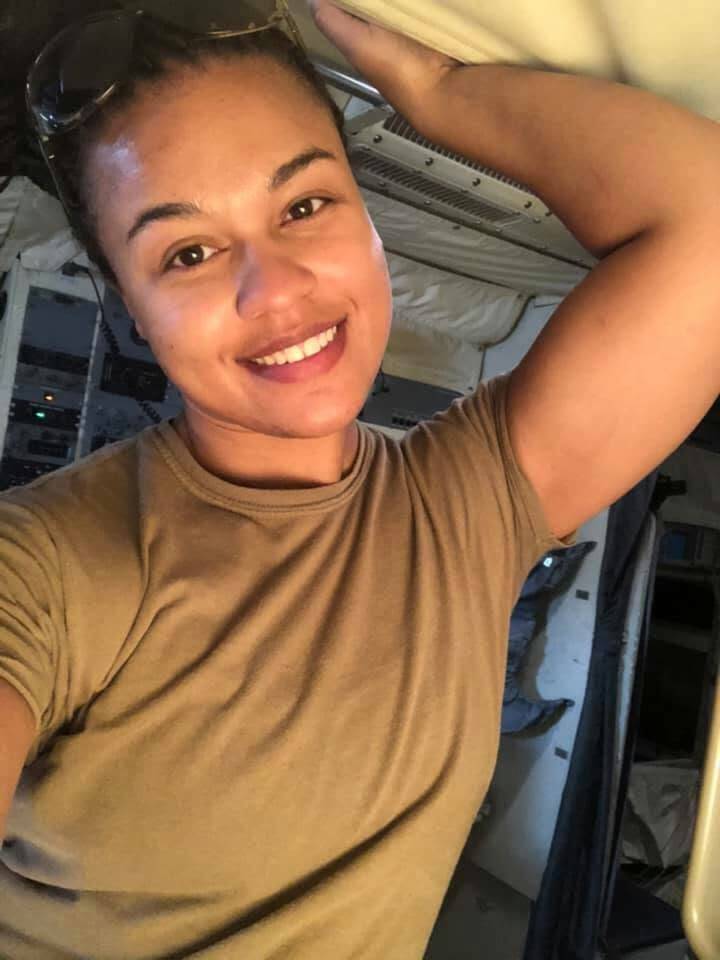
Iowa native Rachel Oswalt joined the Navy in 2015 “to do something different with my life.” She didn’t know Whidbey Island existed. Geography was just the first of many lessons she never expected. Over six-plus years of active duty at NAS Whidbey, Oswalt observed and experienced harassment and abuse. She had friends die from suicide. She saw mental health crises go unaddressed. And she believed the Navy wanted to sugarcoat everything.
When she separated from service, “I was angry,” says Oswalt. “My voice wasn’t heard.” But she refused to sit around and stew on it. Her anger drove her to produce a weekly podcast to address military mental health and to provide, in her words, a voice for those who don’t have a voice.
She calls it “Your Story Doesn’t End Here,” and in spite of the raw emotion that drove her, it’s no bitter tell-all swipe at our military. This is a deep and faithful effort to raise awareness and make things better for the men and women who serve us. Once a week, Oswalt lets current and former service members tell their stories.
Five years out since leaving the Navy, Oswalt’s days are packed full. She’s a mom of two daughters, age 1 and 4. Her career as a real estate broker is taking off, with eXp Realty. She and her husband own North Whidbey Self Storage. A weekly podcast is just one more plate to keep spinning, and somehow she pulls it off.
The episodes are heavy with common themes. Suicide, PTSD, alcohol abuse, mental illness, sexual assault, horrible leadership, double standards… and a lack of reliable avenues and services to address them. The most crushing bit is that, even when services are available, Oswalt and her guests say the stigma is so strong that active-duty sailors are hesitant to use them. And veterans struggle with long waits for mental health care, coupled with a lack of providers qualified to match their needs.
Through her guests’ stories, Oswalt addresses the “disconnect between the military’s public image and what’s real,” she says. “Leadership portrays that all is positive, but other things are happening.” Guests acknowledge their passion for serving the American people and appreciate the joy and camaraderie of working for a shared purpose. But there’s more to the story, and Oswalt invites them to draw back the veil.
The podcast is notable in the way Oswalt simply lets the guest speak without interrupting or questioning. She wants listeners to feel what the guest is feeling. “Its important to get their authentic story, not my take on their story. I don’t edit out pauses or emotional moments. Those are real. They add to the impact.”
Guests speak in painful detail about rampant sexual abuse in our military. Their descriptions of trauma and resulting mental issues are horrific. One guest noted, with Oswalt’s agreement, that every female military member she knew had been subjected to sexual abuse while serving. Another told of reporting an assault to her female chief petty officer, who called her a whore. Others have spent years in silence, keeping their experiences secret to avoid the shame, stigma and victim-blaming, until they appear on the podcast under assumed names to tell their stories for the first time.
The DoD’s ongoing denial, and refusal to solve the problem, infuriate Oswalt. She points out the biological fact that the 18-year-old recruit’s brain is not fully developed. The prefrontal cortex, governing impulse control, risk assessment and emotional regulation, often doesn’t mature until the mid-20s. “They haven’t experienced anything yet, but immediately they’re subjected to extreme stress. Are we adequately preparing them? Their lack of life experience directly affects their coping skills.”
In a town that overwhelmingly supports the Navy, it might be expected for Oswalt to get some pushback. After all, her project exposes flaws in the organization we love. She’s had no negative reactions from the community, but she does have some frustration that more people didn’t get behind her efforts to establish a Military Affairs Committee with the Oak Harbor Chamber, including a transition program for sailors leaving service. She cites stats that show staggering numbers of veterans who suffer mental health issues.
In an odd twist, Oswalt — who, like most of her guests, did not face combat — says the combat vets she’s met appear better-adjusted to life after service than their noncombat compatriots. She says many find peace and companionship with other combat vets, and they often take jobs like first responders where they can still get the dopamine rush that drove them during their service.
Regardless of where and how they served, prevention is a key piece of addressing military mental health, she says. When they separate, “veterans suddenly lose a lot of their community, their years-long routine.” Combined with their extreme youth when they enlisted, Oswalt notes that most of our military have spent their entire adult lives in uniform by the time they leave. With that structured world behind them, some have nobody to talk to, no relationships deeper than Facebook. And that puts many vets in a risky environment.
This preventable psychological damage tragically leads to thousands of suicides annually among active duty and veterans. Oswalt’s anger boils up as she mentions fellow sailors who took their own lives, and the refusal of the Navy to provide details, adequate counseling or prevention services.
This is where Oswalt’s podcast got its name. It’s an attempt to provide hope and connection to both active duty and veterans, and a reminder that more is yet to be written in the stories of their lives. She knows she’s doing something right when listeners reach out and tell her they feel less alone.
What can civilians do, in a meaningful way that supports our sailors? Oswalt has some suggestions, beyond the ubiquitous, shallow “thank you for your service” they hear all the time. Connect directly with people, she says. Stay in touch when they leave town. This is especially true of those whose high school friends forget about them when they join up and move away.
“Civilians don’t realize that military people get tons of attention when they come home on leave, when they don’t need it. Most want to relax and enjoy time with their family. The time when they need support is after they leave, when their friends stop contacting them.” A text, an email, a birthday card can mean the world to a lonely young person serving our nation, and keep them connected to the life they left behind.
Civilians also can better understand and support our military by following Oswalt’s podcast. She took a break from new episodes when her second child was born in 2025, but you can still find 164 episodes of eye-opening content to get caught up.
If you or a loved one experience suicidal thoughts, please call the Suicide and Crisis Lifeline at 988. Press 1 for veterans’ services, because your story doesn’t end here.
Find “Your Story Doesn’t End Here” on Spotify, YouTube and most podcast platforms.
William Walker’s monthly “Take a Breath” column seeks paths to unity on Whidbey Island in polarized times. Find his personal opinions on sports, politics, and culture at https://playininthedirt.substack.com.