Sewer district tees up options for Holmes Harbor golf course future
Published 1:30 am Friday, June 12, 2026
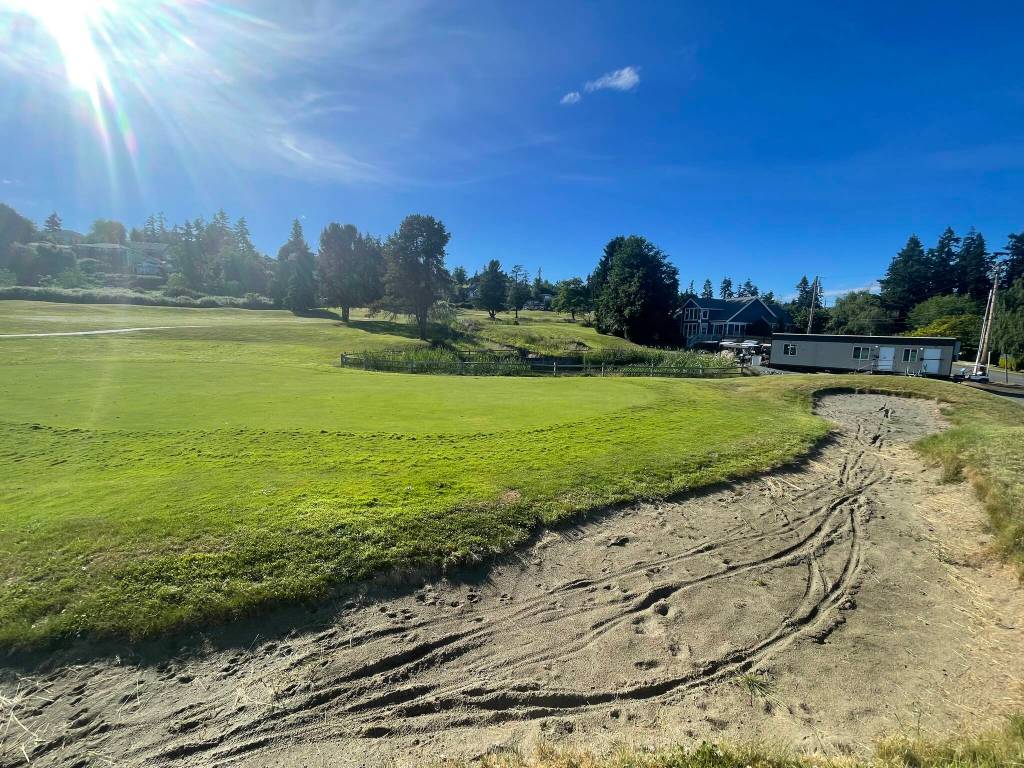


A South Whidbey sewer district is weighing the future of a 54-acre golf course it now owns, including the possibility of operating it as a golf facility, turning it into open space or pursuing other uses, after the Holmes Harbor Golf Course closed amid a legal dispute.
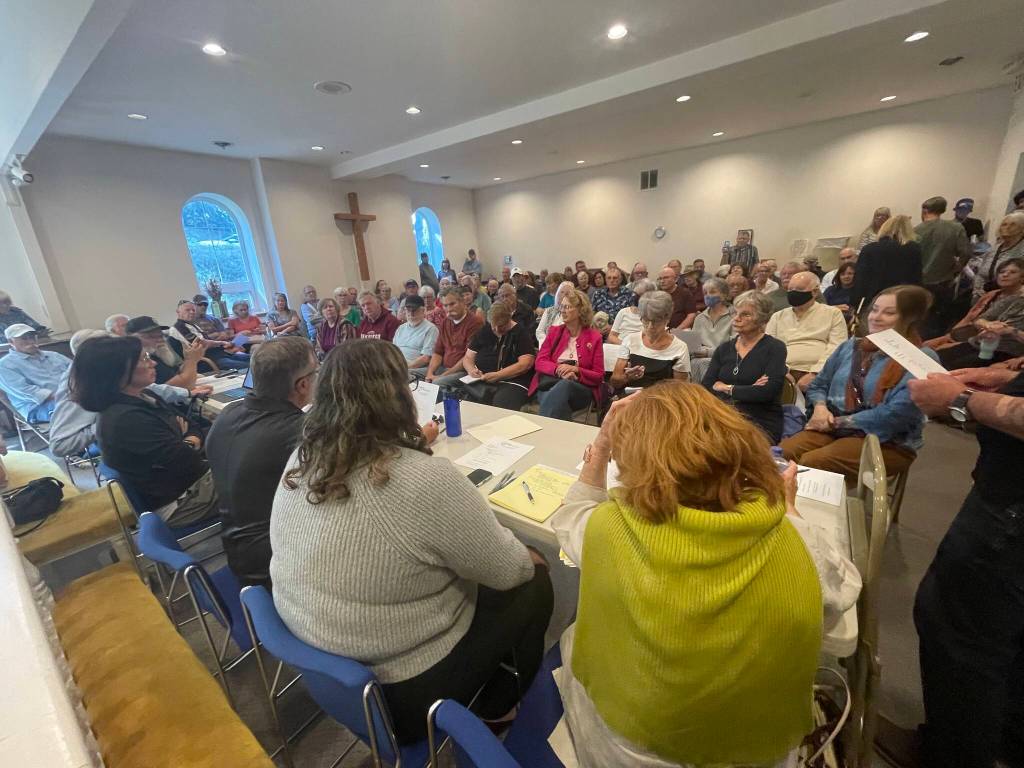
About 100 people filled a meeting room at Trinity Lutheran Church in Freeland on Wednesday, with many more lining the hallway, for a Holmes Harbor Sewer District meeting held shortly after the district prevailed in an unlawful detainer lawsuit against the golf course’s former operator.
The district owns the 18-hole Holmes Harbor Golf Course property for the disposal of treated effluent from its wastewater facility. The course had been leased and operated by Holmes Harbor Golf Course LLC, owned by Paul Lavin.
District board President Bill Hamilton and attorney Julia Dougherty said the property’s future is now wide open, though any decisions remain preliminary.
“We will consider all the options we can think of,” Hamilton said, adding that he has already started discussions with people in the golf industry about possibly operating the course or partnering with a private entity.
Others at the meeting suggested converting the property into open space with walking trails, an option Hamilton said is also under consideration. He emphasized that the property cannot be developed for residential or commercial use due to its wastewater function.
Residents said they were largely unaware of the legal and operational changes leading to the closure and urged the district to improve transparency moving forward. Residents pointed out that board agendas haven’t been posted online since 2022.
The closure of the golf course also raised concerns among some residents about potential impacts on surrounding property values. A real estate agent who serves on the sewer district board and another agent in the audience said it was unlikely the change would have a significant effect, while others in the crowd said their research suggested possible impacts.
Hamilton and Dougherty said the dispute arose over who is responsibility for mowing the course’s rough. The district had mowed it at a cost of about $75,000 annually, which was borne by ratepayers.
He said the lease required the private operator to maintain the entire property, including the rough, but district officials had previously been covering that work until they revisited the lease language more closely.
After reviewing the arrangement, Hamilton said the district became concerned that using ratepayer funds to subsidize maintenance for a privately operated golf course could constitute an unlawful gift of public funds.
Lavin’s attorneys, however, argued that the district was responsible for mowing the rough under the terms of a new lease, stating that the district was aware that the golf course lacked the equipment or the financial ability to mow that area. The attorneys wrote in court papers that the district mowed the rough for 39 months and never invoiced the operator during that period.
At the meeting, Hamilton admitted that mistakes were made and that the board moved to rectify them.
The district then sought reimbursement for mowing costs it said were owed under the lease. The operator eventually paid those costs but refused to pay attorneys fees, prompting the district to file the unlawful detainer action. The golf course operator filed a counterclaim.
Dougherty said attorneys fees in the case could be around $200,000, though she declined to give a precise estimate. Hamilton and Dougherty said it is unlikely the LLC has sufficient assets to cover those costs if the court orders them paid. A judge will ultimately decide the issue.
Following the court dispute, Hamilton said the district will continue mowing the property, but at a significantly reduced cost of about $12,000 per year. He said that level of maintenance is sufficient to meet requirements under the district’s wastewater discharge permit, which is less intensive than maintaining an operational golf course.
Hamilton said the district had offered multiple settlement options, including one following mediation, but the operator declined.
Following a bench trial last month, Island County Superior Court Judge Carolyn Cliff ruled in favor of the sewer district, finding that the lease had not been renewed and that the operator was responsible for mowing the rough.
The golf course closed shortly after the ruling, and the property is now in receivership as financial and legal issues are resolved.