‘The Time Between’ explores the day through song
Published 1:30 am Tuesday, May 12, 2026
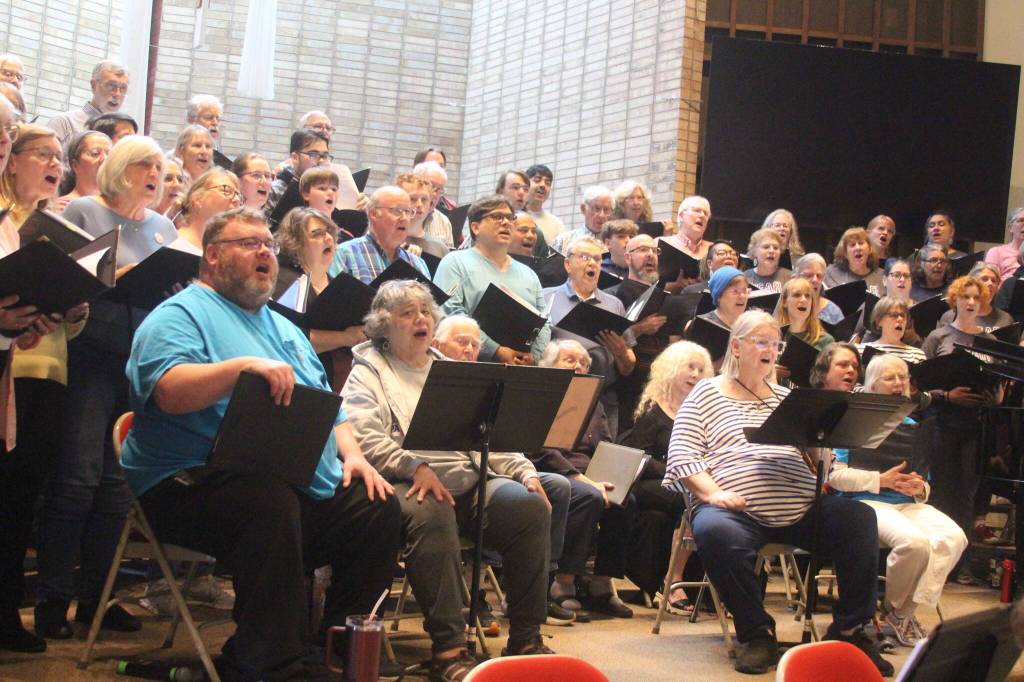
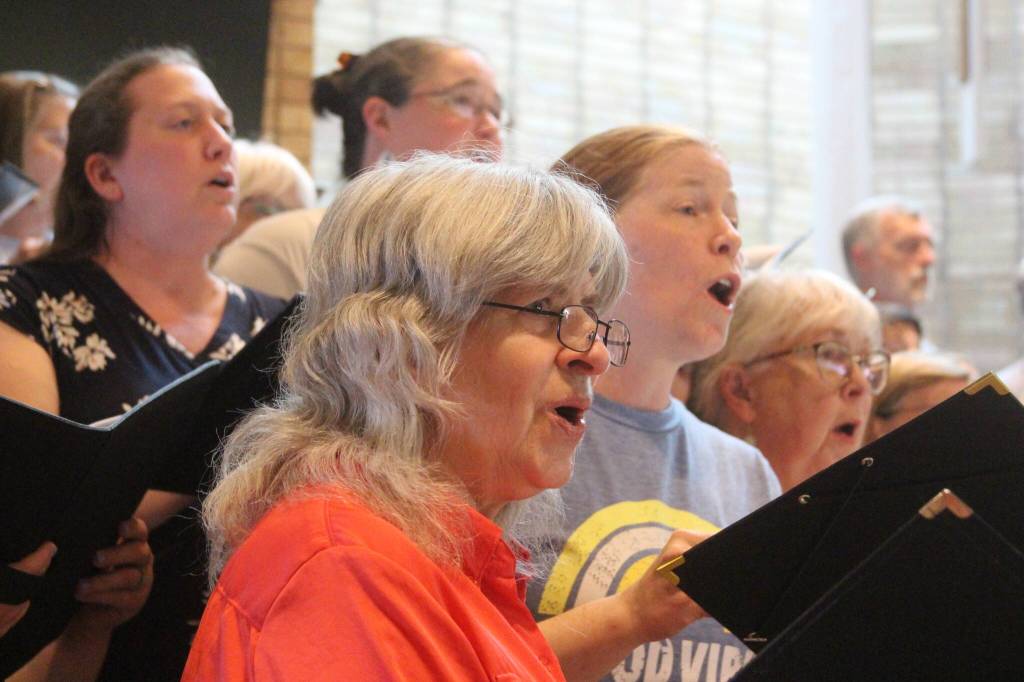
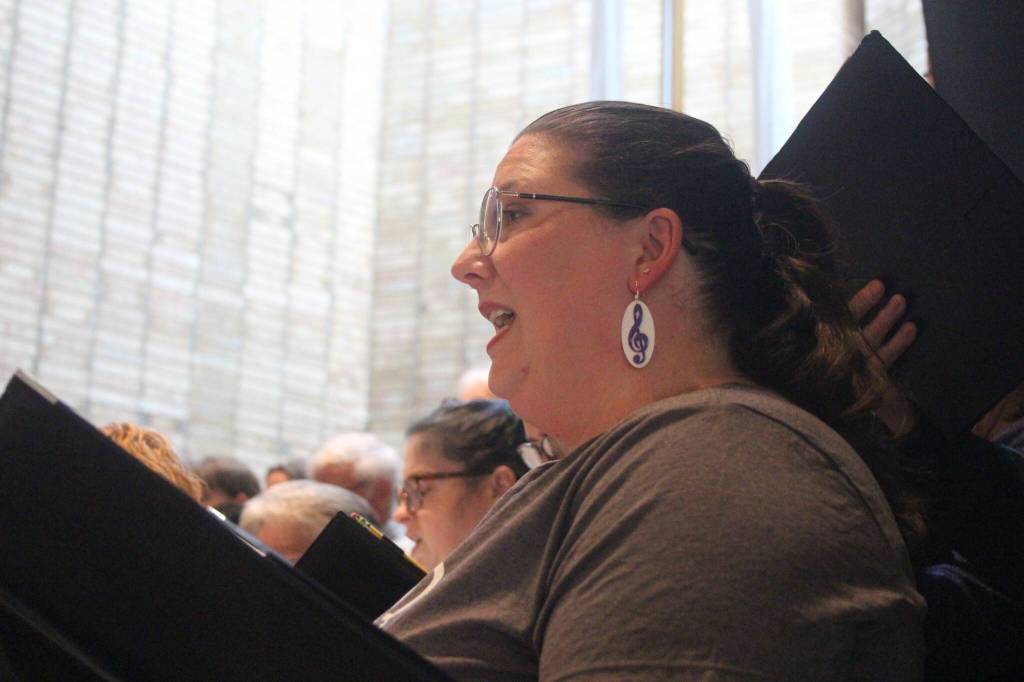
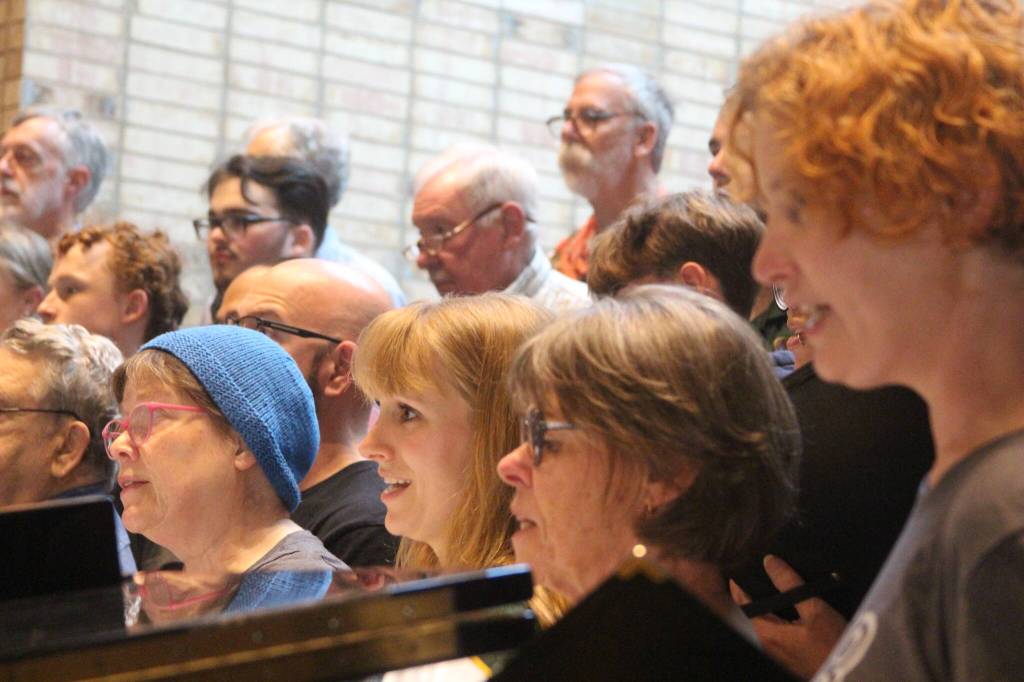
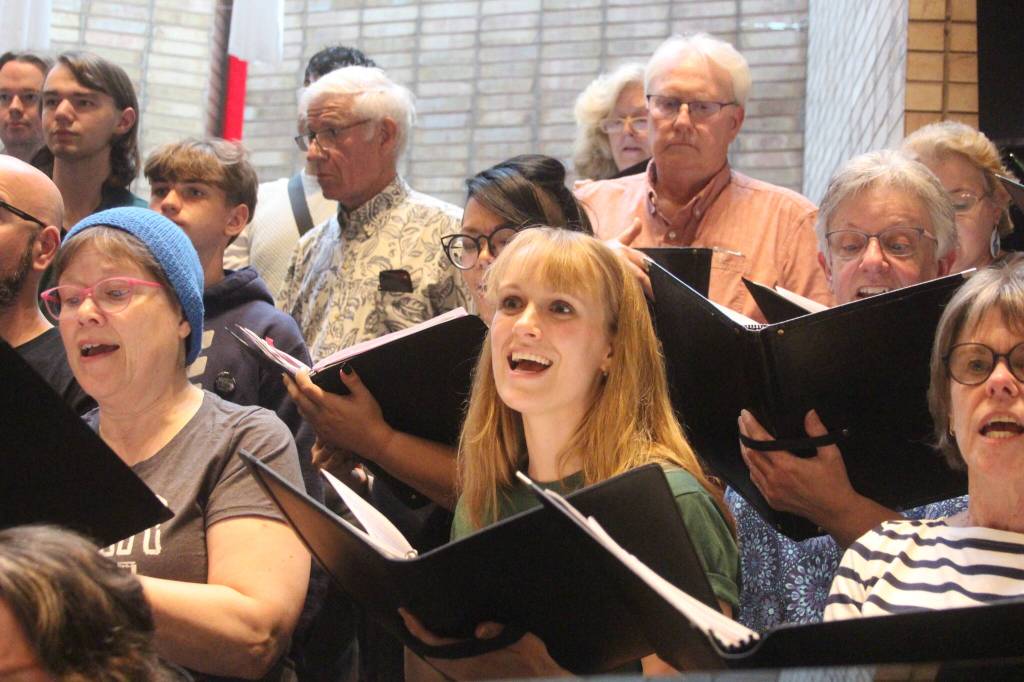
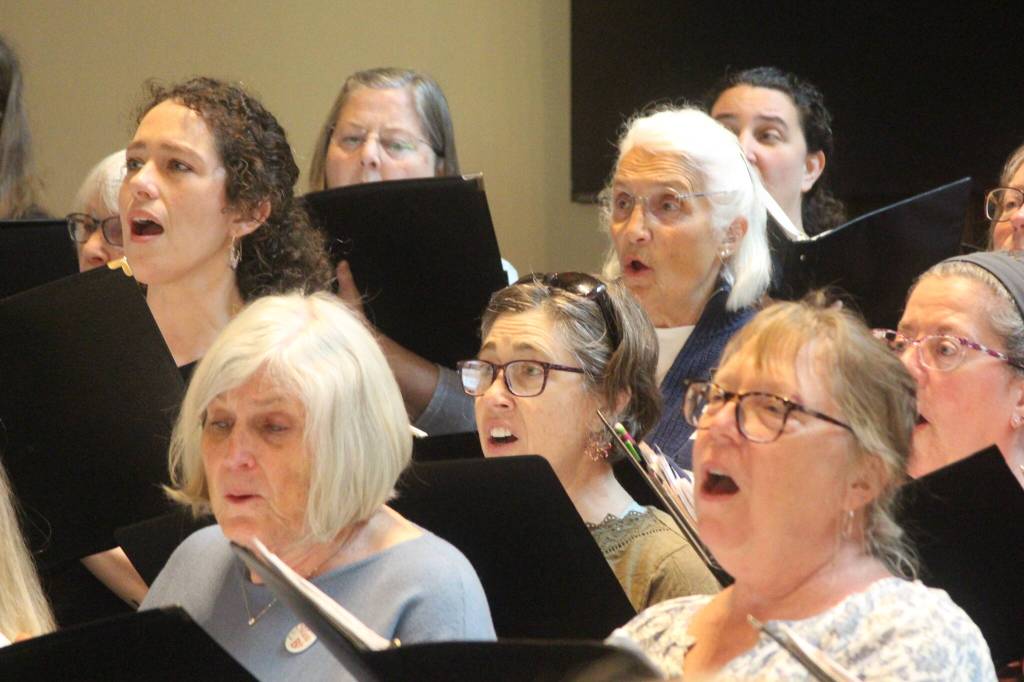
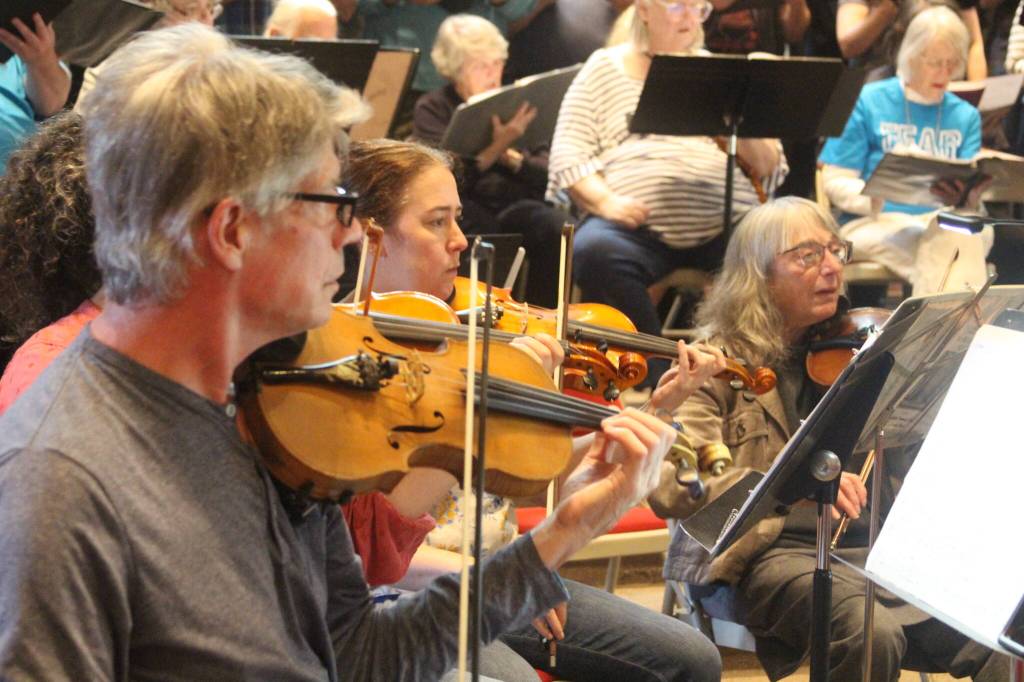
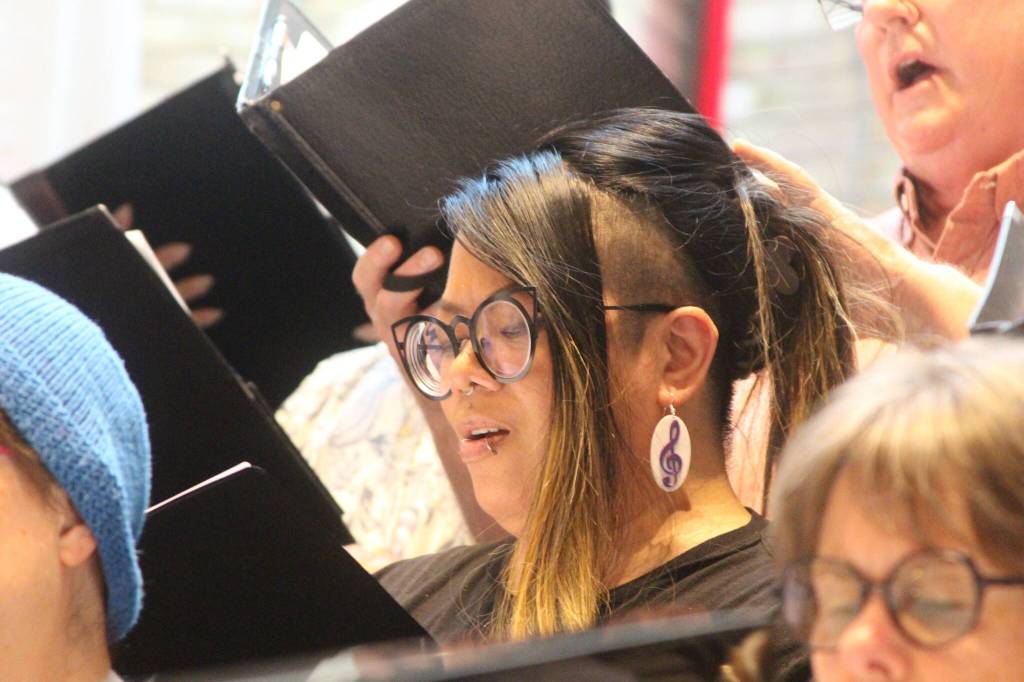
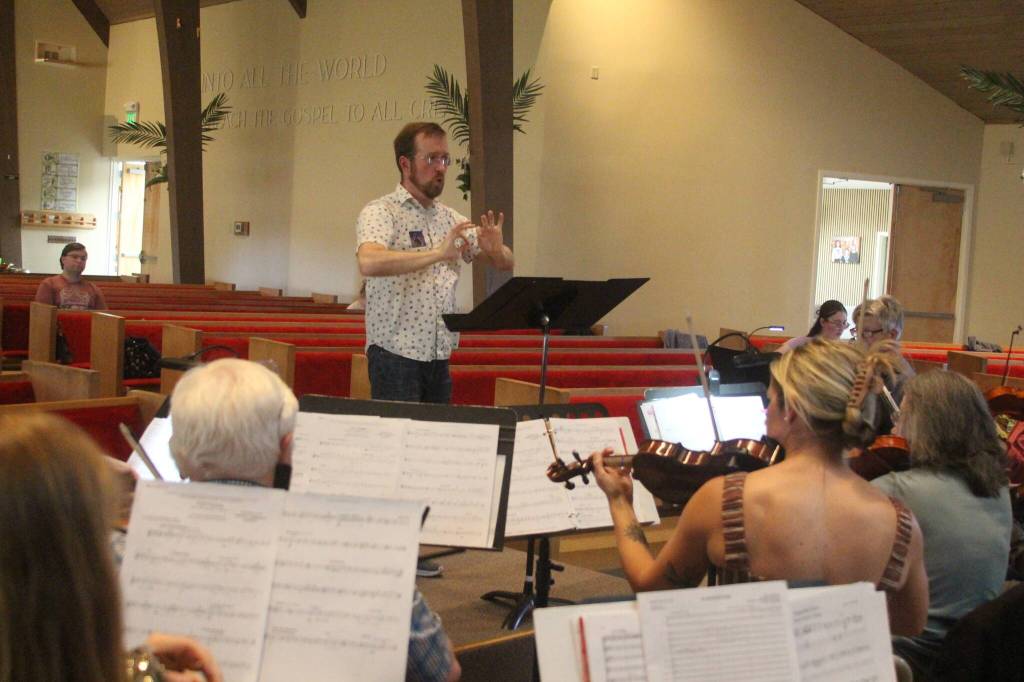
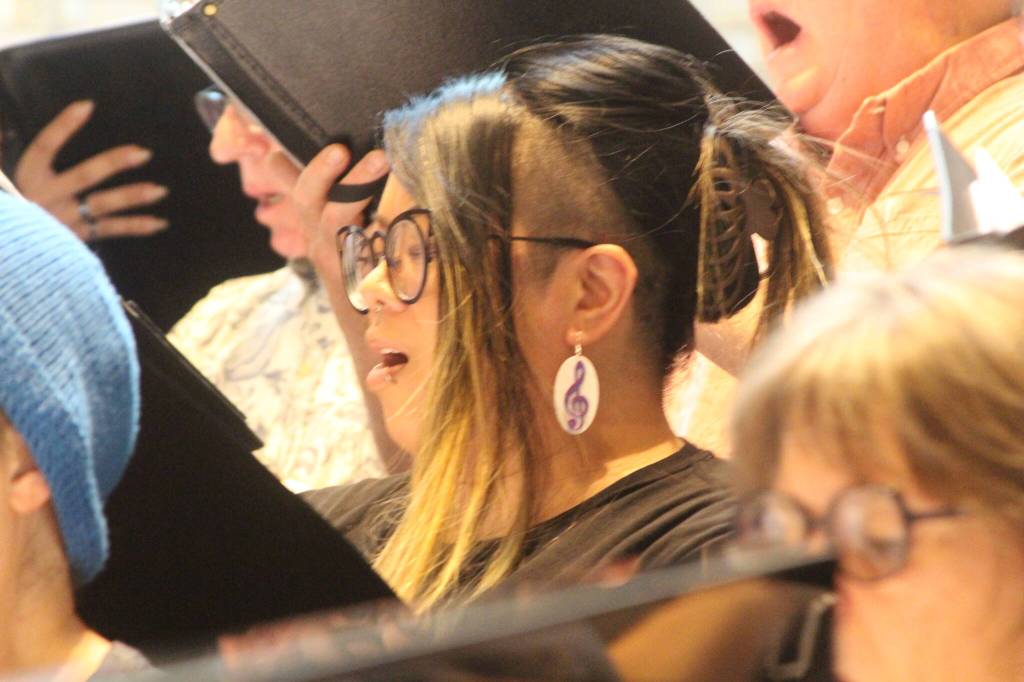
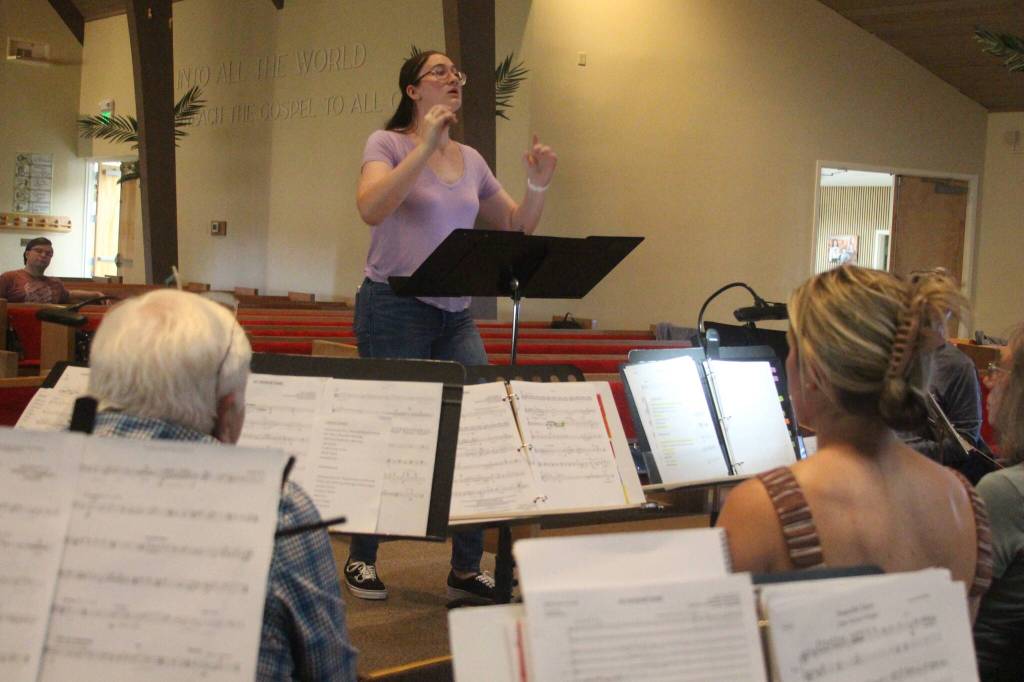
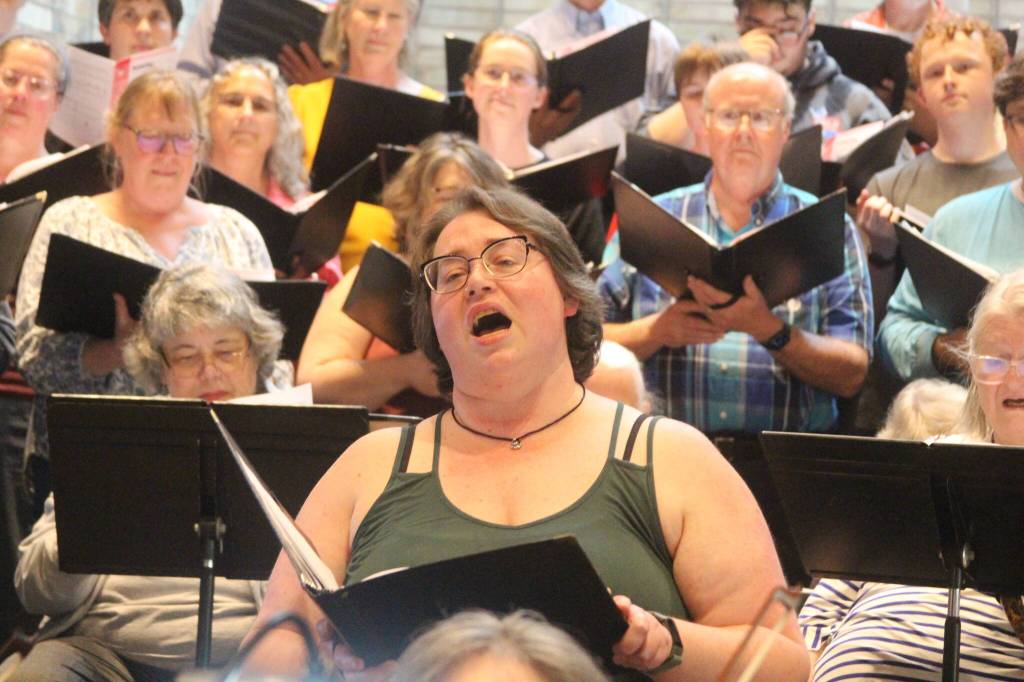
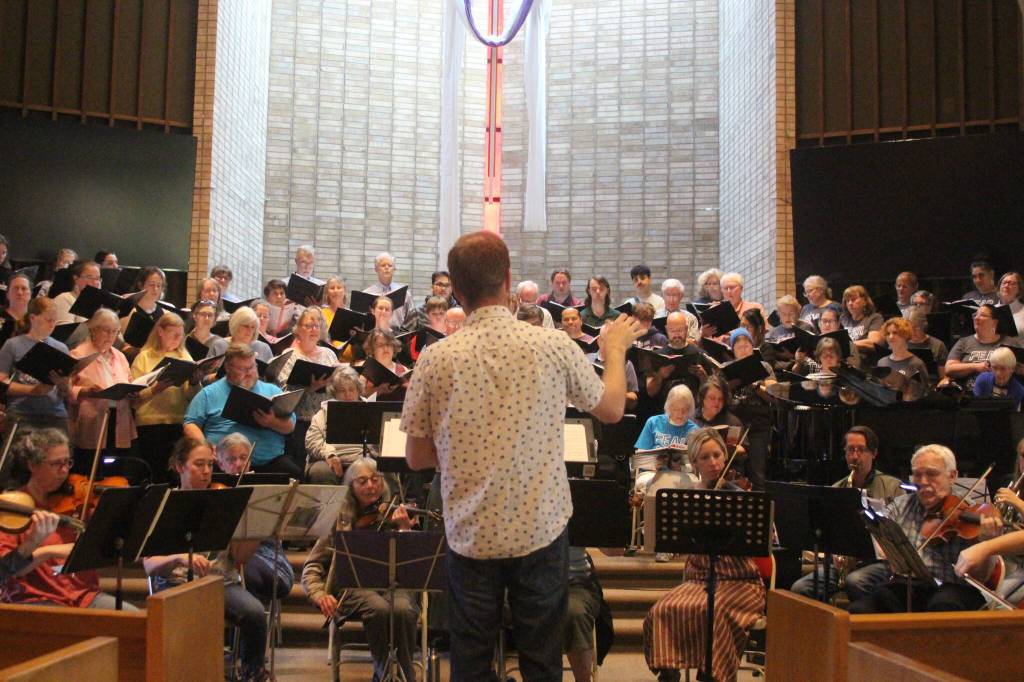
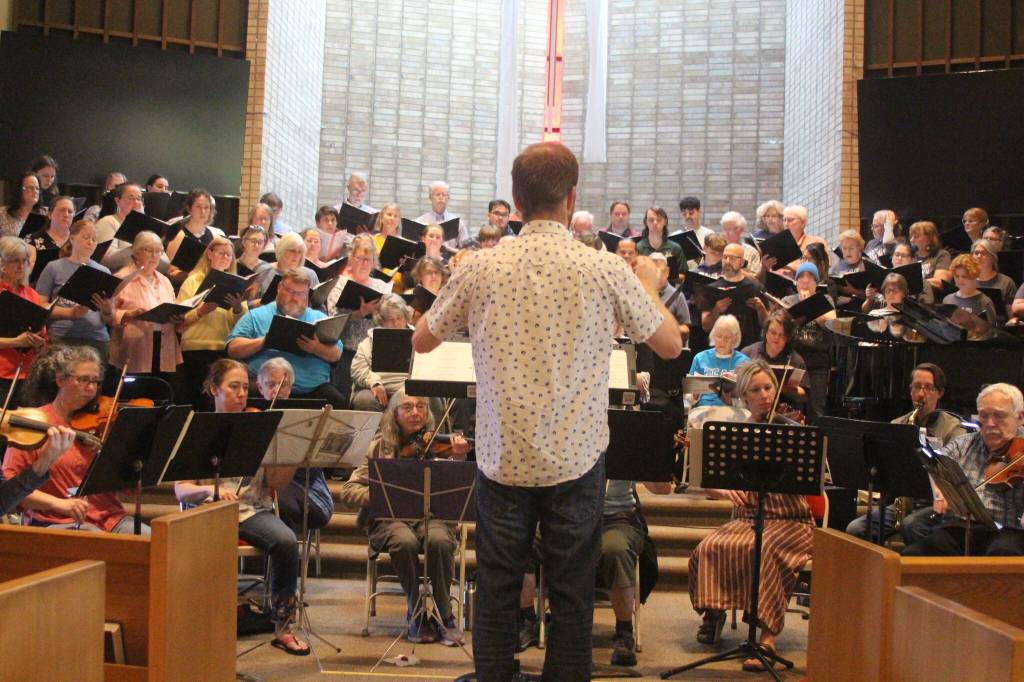
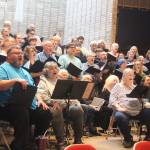
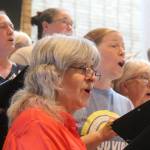
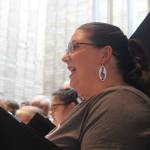
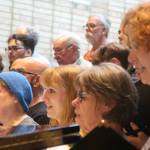
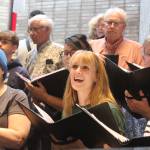
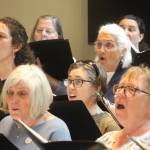
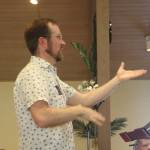
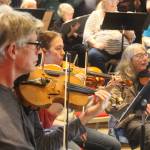
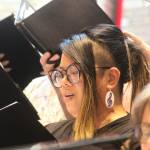
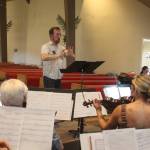
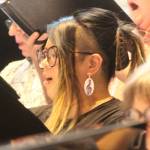
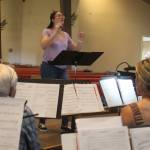
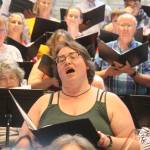
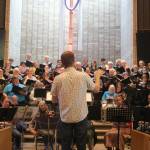
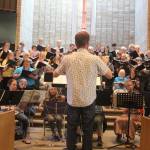
At the front of the church, about 100 singers stand shoulder to shoulder behind musicians, sheet music in hand, preparing to guide the audience through a musical journey about time.
The Whidbey Community Chorus & Chamber Orchestra will present its free spring concert, “The Time Between,” at 7 p.m. on May 15 and 4 p.m. on May 17 at the First Reformed Church in Oak Harbor. The performances will explore different times of day — morning, evening and night — through music that reflects the changing moods and, metaphorically, the stages of life.
The repertoire stretches across genres and generations, featuring classical choral works, contemporary music, show tunes and poetry adapted into song. Pieces such as “Summertime,” “Sunrise, Sunset” and “Nella Fantasia” each carry their own emotions, encouraging reflection, joy and nostalgia with their stirring performances.
The Friday evening performance will also feature Oak Harbor High School’s Harbor Singers.
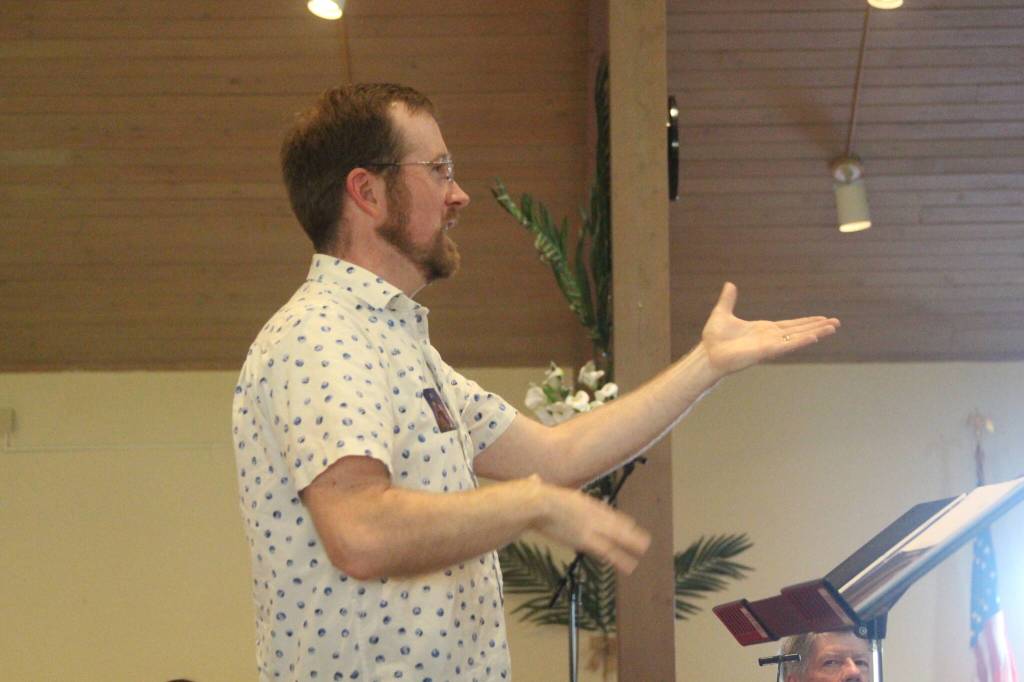
Under the direction of choral conductor Darren McCoy and orchestral director Christopher Dyel, the choir and orchestra have spent months preparing the music, rehearsing separately before combining in the final weeks ahead of the concert.
“I think people have really grown technically, but also grown to understand that we, as a group, can do quite difficult literature,” McCoy said.
Several singers praised McCoy for his leadership and expertise. Tom Piper, a retired choral director who has been singing and traveling the world for 50 years, said that, beyond conducting, McCoy is a “master” at leading singers to interpret the pieces and understand the deeper meaning behind the songs.
McCoy described this spring’s set list as one of the most challenging the organization has attempted because of its incorporation of Latin lyrics, requiring singers and musicians to carefully listen to each other. For him, the ensemble represents something larger than performance alone.
“I think, most importantly, this group is a testament to how music is for all ages,” McCoy said. “You have teenagers, you have people in their mid-lives with kids, you’ve got retirees, you’ve got people who’ve been singing for 60 years or more.”
That wide age range is reflected throughout the ensemble, where high school students rehearse alongside retirees and lifelong musicians perform beside those rediscovering music after years away.
For cellist Dana Carnes, the orchestra became an unexpected part of life after the pandemic. Carnes, who previously played violin as a child, picked up the cello during COVID-19 and found a home in the ensemble.
“It’s a perfect place for nonprofessional instrumentalists and nonprofessional singers to come together, make music together for our community,” Carnes said.
The chamber orchestra elevates the singers’ voices with strings, woodwinds, brass and percussion. Dyel, who leads the orchestra rehearsals and prepares arrangements for the ensemble, said the musicians’ dedication is what makes the group special.
“So we only have volunteer musicians, right? So people have to choose to want to do this and spend their time rehearsing the music and putting on the concerts,” he said.
Since 2002, the Whidbey Community Chorus & Chamber Orchestra has worked to make live music accessible to both performers and audiences. Concerts remain free to attend, with donations welcomed but not required.
For singer and musician Karina Andrews, accessibility is central to the group’s mission.
“We want everyone who wants to come to come, and we want everyone who loves music to be able to enjoy it and to be a part of it,” she said. “And as a chorus member I can tell you I tear up at rehearsal all the time because it’s so lovely to be there.”
Guest soloist Eva Nelson will perform “Summertime,” among other songs during the spring concert. Nelson, who has performed professionally throughout the Seattle and Portland areas, said the emotional connection between performers and the music is what makes live music unforgettable.
“Where else do you see 50 people working together towards a common goal? And loving every minute of it?,” Nelson asked.
Throughout rehearsals, performers spoke repeatedly about connection — connection through music, through storytelling and through gathering together in person. In an increasingly isolated world, many described the chorus as a place where community still feels tangible.
“The impulse to sing is such a natural human instinct,” Andrews said. “And gathering together with the people around you to sing and make music is, I mean, to my knowledge, that’s a pretty integral part of pretty much every human culture as far back as history knows.”
The artists also expressed gratitude to First Reformed Church for not only providing the venue, but for embracing the performances as a community event.