County surface water quality declining
Published 1:30 am Friday, April 17, 2026

Sampling determined that the quality of Island County’s surface water is declining, according to a new report.
Testing, conducted by the county’s Surface Water Quality Monitoring Program, occurred from October 2024 to September 2025. Renee Zavas-Silva and Carlie Miller, two of the county’s surface water quality specialists, presented their findings to the Island County Board of Commissioners earlier this month.
The U.S. Geological Survey defines surface water as “streams, rivers, lakes and reservoirs,” which are “important natural resources for irrigation, public supply, wetlands and wildlife.”
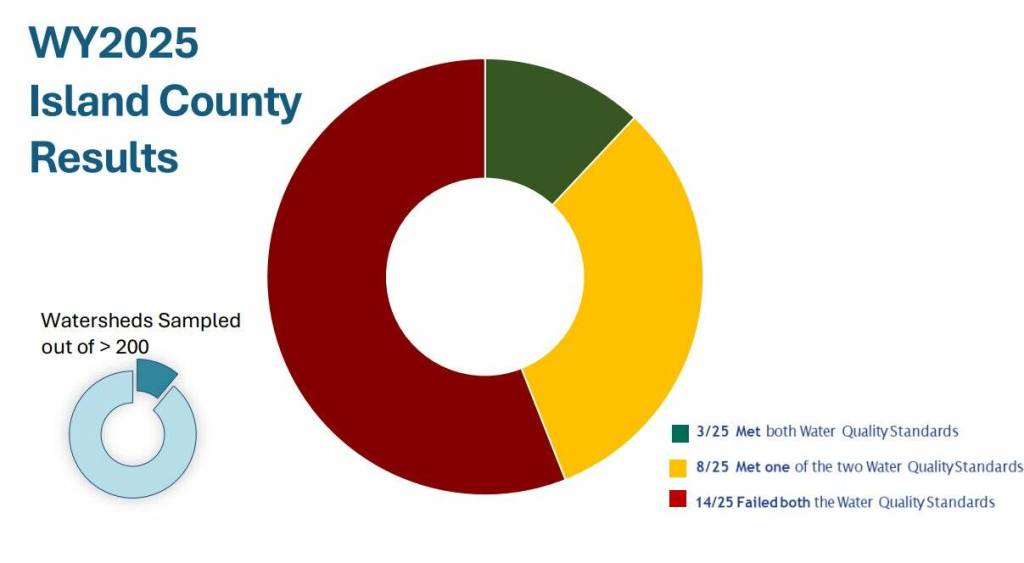
Zavas-Silva and Miller reported that 14 of the 25 water bodies sampled county-wide failed to meet both of the state’s standards for water quality, as determined by the amount of E. Coli present in the water. Eight met one standard, and just three met both.
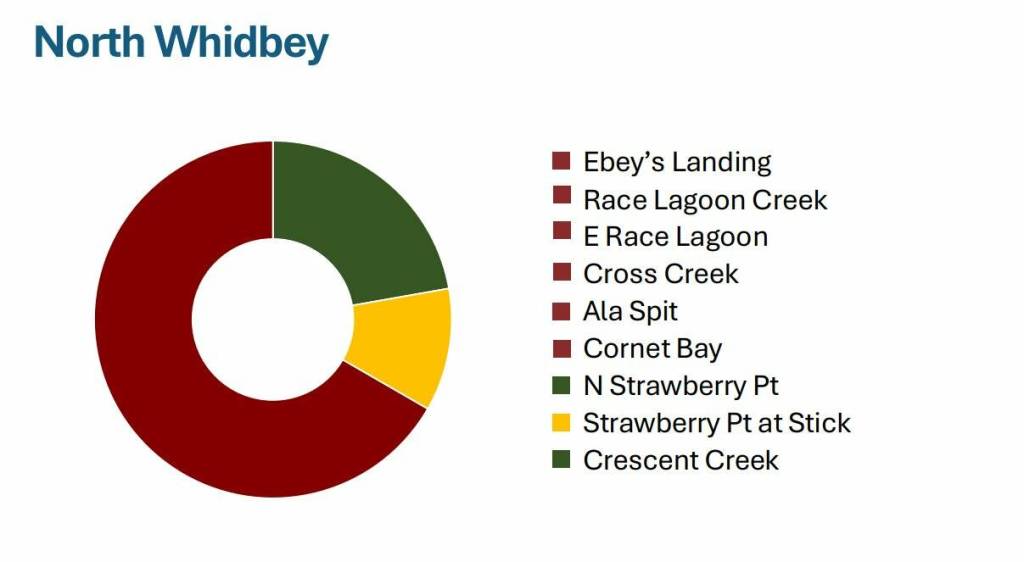
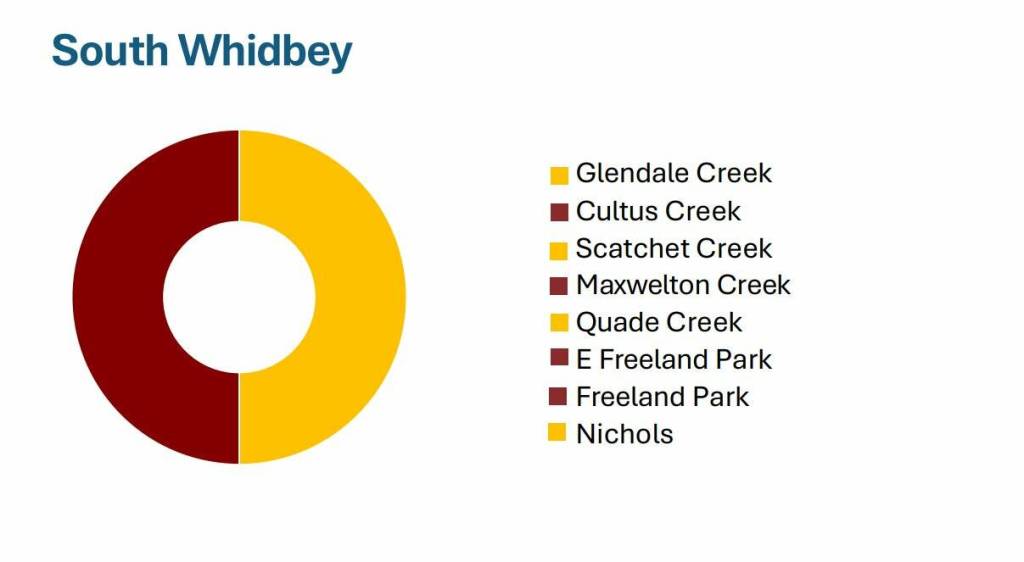
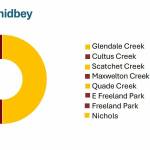
Seventeen of the 25 bodies of water are located on Whidbey, 15 of which failed to meet at least one of the standards.
Specifically, water designated for primary contact recreation must contain less than “100 colonies of bacteria per 100 milliliters” and less than “10% of all the samples exceeding 320” to meet both standards, Miller explained.
Monitoring surface water quality is in the best interest of public health and environmental conservation. “Increased development, reduced streamside vegetation, continued drought conditions and higher temperatures” can all influence water quality, Miller and Zavas-Silva’s presentation detailed. Population growth and climate change can be impactful in this regard as well.
According to their report, 72% of county residents use septic systems and failures of those systems can also be responsible for water pollution. Besides identifying and rectifying pollution, encouraging septic compliance is another goal of the program, which can be accomplished with community outreach.
“Most people want to do the right thing, so if we let them know, ‘Hey, this is the right thing to do,’ then it’s going to have an impact and get a wave of behavior changes,” Miller said.
Additionally, the program aims to reopen shellfish harvesting beds in Island County, and prevent more bodies of water from being added to the state Department of Ecology’s 303(d) list, designating them as polluted.
“The process of removal from the list — it’s extensive, and it takes a longer time period of continual data to support,” Miller explained.