Oak Harbor launches drone classes
Published 1:30 am Friday, March 27, 2026
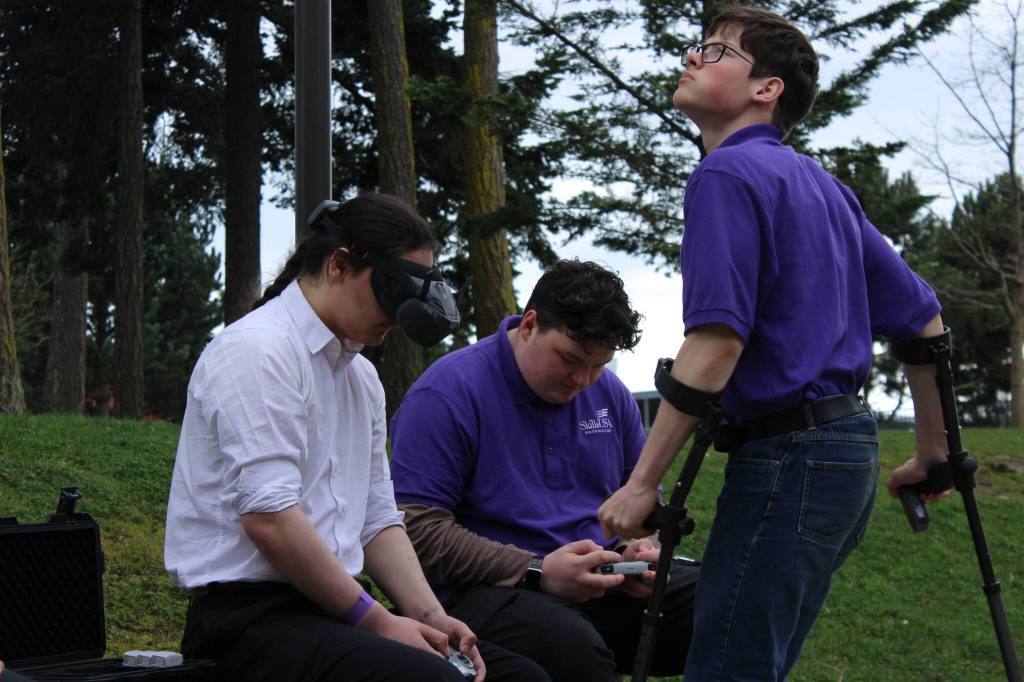
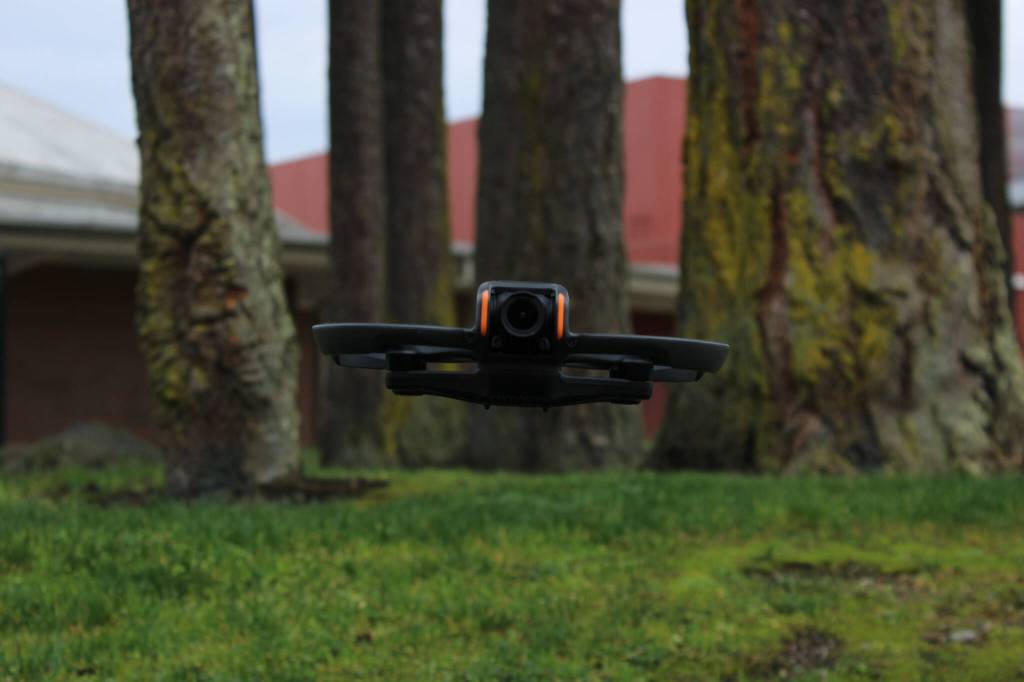
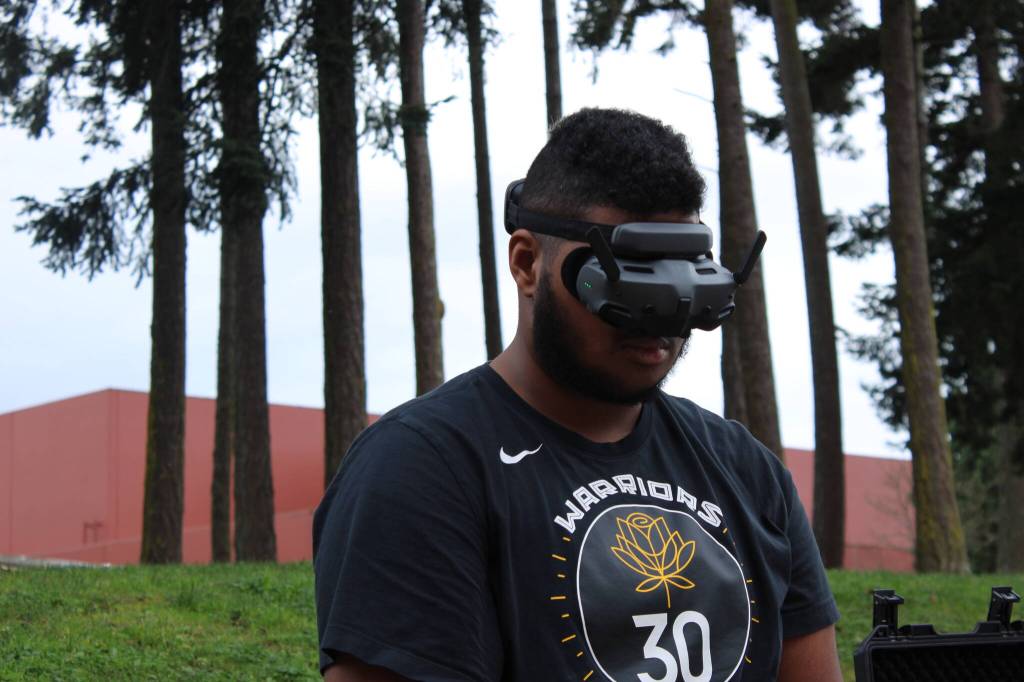
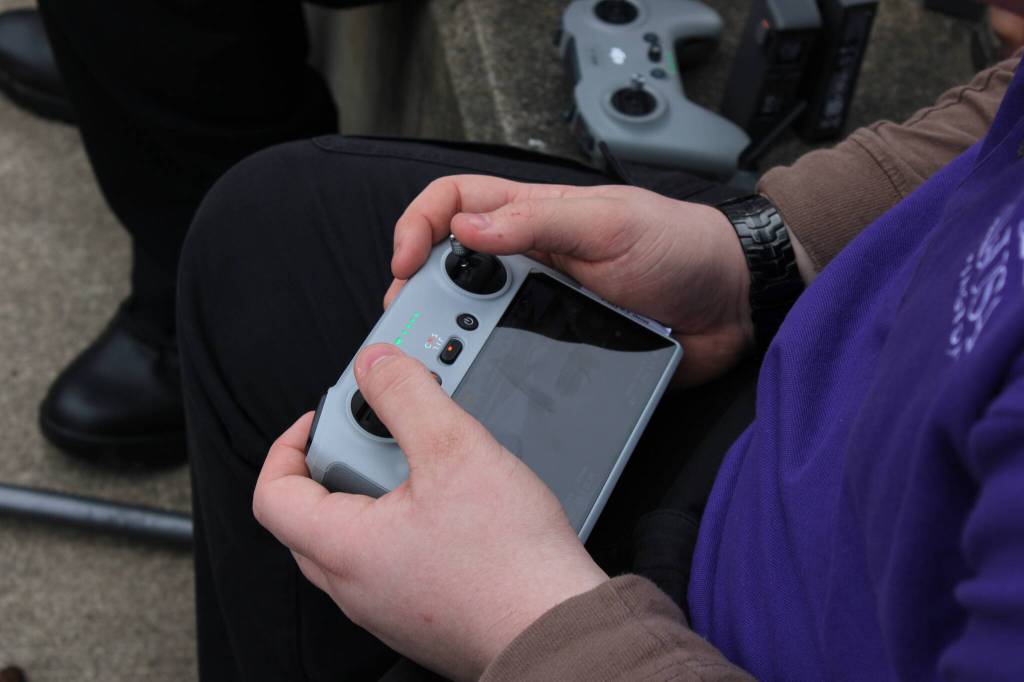


Wildcats are flying high in classes newly offered this school year.
Students can learn how to repair, pilot and program drones by taking Oak Harbor High School’s drone classes. Curriculum heeds the Federal Aviation Administration’s drone piloting regulations, adequately preparing students to obtain their drone pilot license if they wish.
Teachers and students flew drones recreationally after school for a number of years before the classes were introduced, according to Susan Rogers, one of two drone class instructors. A grant from the nonprofit Oak Harbor Educational Foundation paid for them; Lisa Jones, the foundation’s executive director, said the grant funds programs and projects taken on by teachers beyond what schools offer.
The school uses small quadcopters produced by Chinese company DJI, which Che Edoga, the other drone instructor, explained makes them difficult to replace. In December, the Federal Communications Commission banned “new, foreign-made drones” due to security risks, according to an Associated Press story.
Two drone classes are offered. Edoga’s drone piloting course treats drones like a “flying camera,” he explained, as that is how the majority of commercial drones are used.
To many students’ surprise, much of the class is spent in chairs at desks, learning, memorizing and testing on flying regulations. When students do go flying — usually once a week — the focus is on learning things like flight patterns and how to take pictures. Students can view live, high-quality video feed from cameras attached to the drones on small, handheld screens, or through goggles resembling those used for virtual reality.
A remote pilot license, formally known as an FAA Part 107 certificate, is required to fly drones in the U.S.; free, recurrent online training must be completed every two years to keep pilots’ knowledge fresh. Oak Harbor High School pays the initial $175 test fee for students who perform well enough on the class’ practice certification test.
Rogers teaches drone coding, a class which is currently in its inaugural trimester. Coding and computer science are taught in an “applied manner,” she explained, similar to the school’s robotics program.
Senior Chanon Nielsen is the first Wildcat to earn his commercial drone piloting license after taking Edoga’s class during fall trimester. He passed the school’s practice test with flying colors and took the real thing in Everett last month. Now, he carries a slick, blue-and-green card with him verifying his remote pilot credentials.
Watching his uncle fly drones during Nielsen’s childhood piqued his interest, although he only registered for the class because he had an open period in his schedule.
“But the more I went to the class and learned about the stuff in there, I got more and more interested and it made me actually want to try,” he said.
Drones are becoming increasingly useful to agriculture, insurance, public safety and real estate industries, Edoga and Nielsen explained. North Whidbey Fire and Rescue will assess how drone technology can bolster its emergency responses when it begins testing two drones created by Seattle-based start-up BRINC likely later this year.
“A lot of people use it as a stepping stone into private aviation, too,” Edoga added. “They get their drone pilot’s license and they’re like, ‘Oh, it’s all the same stuff.’ And then they can go on and get their private pilot’s license.”
While drone piloting is a skill which may prove valuable to students once they enter the workforce, drones are far more than just functional: they are fun, too.
Edoga recalled a moment years ago, before the implementation of many current drone regulations, in which he and history teacher Jim Crouch flew drones over Fakkema Farm.
“It was cloudy and rainy, and I just kept going up. And then I was in a cloud, and then I kept going up and then it was blue skies,” he recalled. “And just that amazing perspective change — like, oh, it is sunny, it’s always sunny. You just can’t see the sun because the clouds are in the way.”
Flying that high is illegal now, Edoga acknowledged, so another trip so far above the clouds is unlikely. No matter — the view has stuck with him.
“Having those experiences kind of gives you a different perspective,” he said. “It’s like having a roller coaster that you are in control of. It’s a lot of fun.”