Wildcat NJROTC heads to national competition
Published 1:30 am Tuesday, February 24, 2026
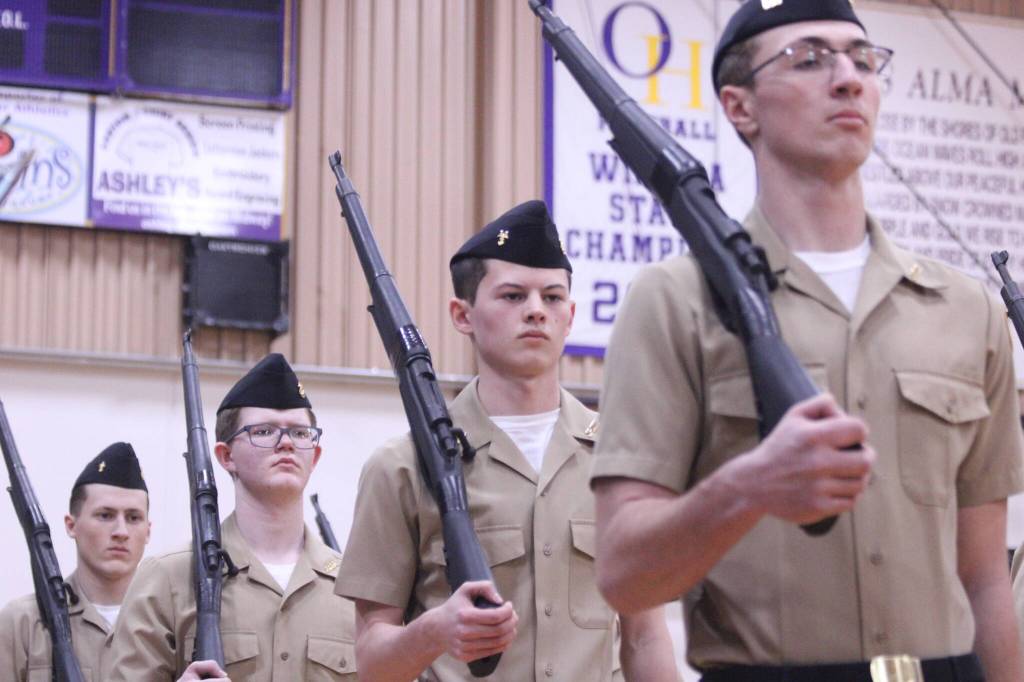
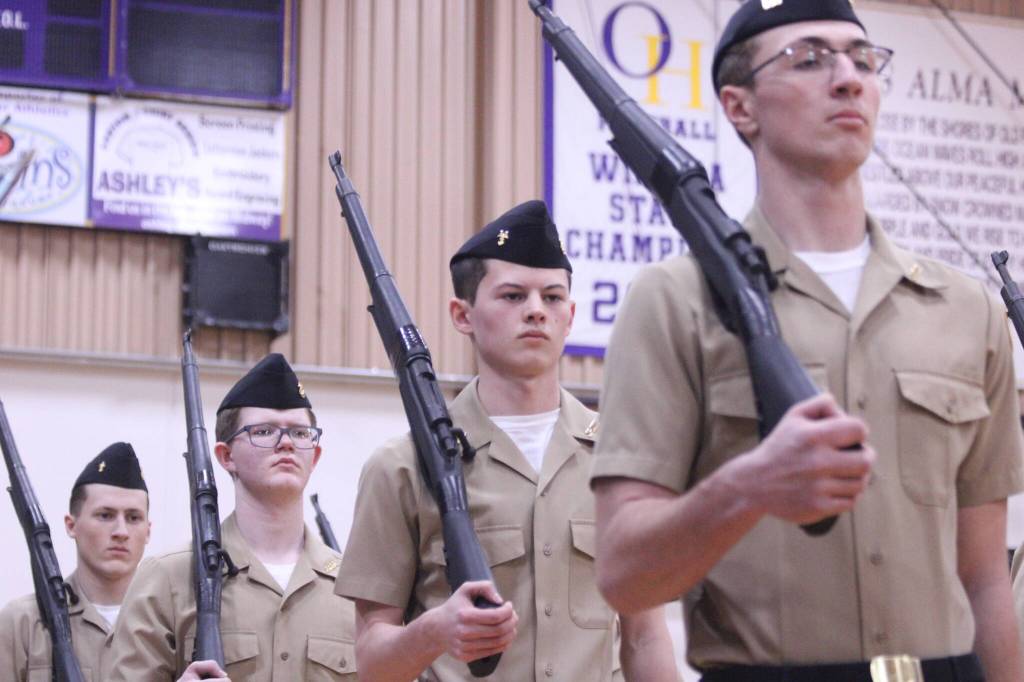
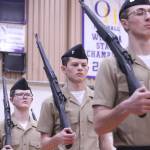
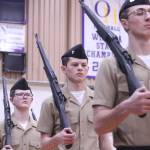
The Wildcats’ primary armed drill team is going big or going home on the national stage next month.
Drill, athletic and academic teams from Oak Harbor High School’s NJROTC program will compete at the U.S. Navy JROTC National Championship March 27 and 28 in Florida. Finishing in first place at an event in South Kitsap in November and another in Marysville in January qualified them for nationals, Cmdr. Allen Hall and Chief Bill Thiel explained.
There are 23 geographic areas of NJROTC units across the country. Oak Harbor will serve as the sole representative of its own area 23, Hall and Thiel confirmed, which encompasses all units in Oregon, Washington, Alaska, Hawaii, Guam and Japan.
Philip Miller, a junior and the commander for armed drill team one, said it still “doesn’t feel real” to be competing at nationals. Seniors Zach Jones and William Franc, cadets also with armed drill team one, admitted they are feeling the pressure.
“Other schools have congratulated us, said to represent them well, ‘cause we’re doing it for more than just our unit. We’re doing it for everyone that we beat out in the competition,” Jones said, “trying to bring a name to our area.”
Armed drill team one took their rifle-flipping routine for a spin Saturday at Oak Harbor’s first home drill meet since the spring of 2023. Collectively, the Wildcats earned first place at Saturday’s meet, meaning drill, marksmanship, color guard, PT and academic teams qualify for a regional competition March 14 in Oregon.
Armed drill routines are composed of a regulation phase, largely consisting of marching in unison, Miller explained. What he called the “fun stuff” comes later, during an exhibition phase, when rifles are thrown and spun. Cadets heed instructions called out by a commander throughout the routine; in this case, that would be Miller.
Cadets are responsible for choreographing their routine, Hall and Thiel explained, which can evolve slightly as cadets’ skills improve over the course of the school year. Difficulty of the tricks attempted by armed drill teams determines how many points they can earn for a routine. Franc and Jones agreed, it is similar to how some sports at the recently concluded Milano Cortina Winter Olympic Games were judged.
That is, “any other judging sport where the move that you do has a complexity score, and then how well you execute it is your complexity,” Jones added.
Jones described armed drill team one’s routine as flashy, including tricks uncommonly attempted by other units in the state.
“We spin spins that no other school in Washington can do,” Jones explained. “A lot of other schools will do more basic movements and try to make it look sharp and refined, but we spin difficult moves and try to get it all synchronized together.”
The routine armed drill team one performed Saturday is “very similar” to the one it will perform at nationals, Hall and Thiel clarified. Competing in a meet like Saturday’s, Jones explained, is crucial to preparing for nationals.
“The pressure of competing at a competition in uniform, all together, with an audience, is only replicated by us being in a comp,” he said.